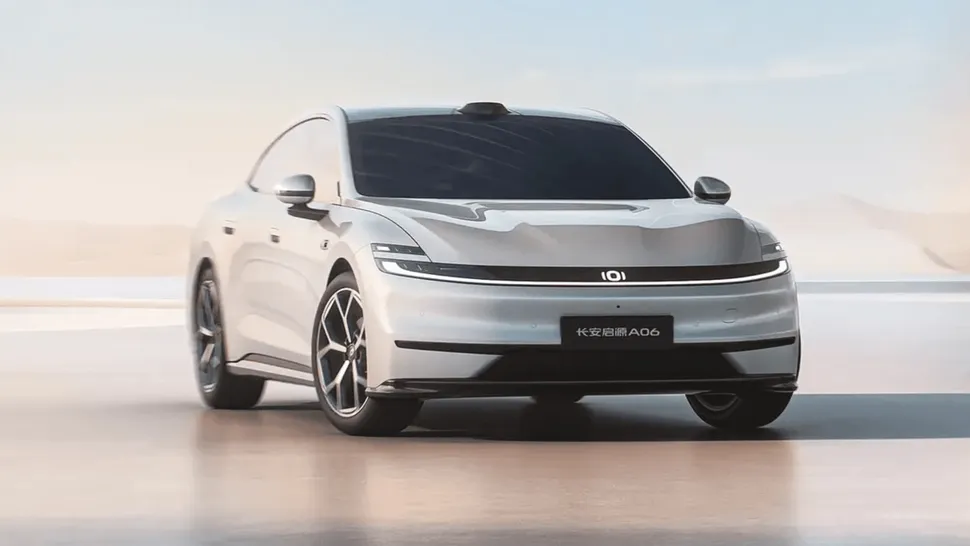
Electric vehicle battery technology is entering a new chapter. The first mass-produced passenger car powered by a sodium-ion battery has officially gone into production in China, marking a significant milestone in the evolution of EV energy storage. The model, the Changan Nevo A06, will be the first production vehicle to adopt this alternative chemistry at scale.
Developed in partnership with CATL, widely regarded as the world’s largest EV battery producer, the new sodium-ion pack represents a strategic diversification away from traditional lithium-based systems. While lithium-ion technology continues to dominate the market, sodium-ion batteries are now emerging as a viable complement, particularly in demanding climates.
A Battery Built for the Cold
One of the standout advantages of sodium-ion chemistry is its resilience in extreme low temperatures. During winter testing in Inner Mongolia, the Nevo A06 reportedly demonstrated stable operation in temperatures far below what most electric vehicles are engineered to handle.
Charging performance remained functional at approximately -30°C, and the battery continued operating in temperatures as low as -50°C. Even at -40°C, the sodium-ion pack retained more than 90% of its original capacity. In comparison, many conventional lithium iron phosphate (LFP) batteries experience noticeable performance degradation in such conditions.
Cold weather has long been one of the major criticisms of EV ownership, with range losses and slower charging affecting drivers in northern regions. Sodium-ion chemistry appears to offer a meaningful solution in this context.
Range and Capacity Trade-Offs
The sodium-ion pack used in the Nevo A06 has a capacity of 45kWh. Under China’s CLTC testing cycle, that translates to an estimated driving range of around 250 miles. While this figure does not surpass high-capacity lithium-ion rivals, it aligns with many entry-level electric vehicles currently on sale.
Changan positions the model as competitive with similarly priced LFP-based EVs, while emphasizing that its performance consistency in harsh climates sets it apart. In cold conditions where LFP batteries may lose significant range, sodium-ion technology maintains more stable output and power delivery.
For drivers in regions with severe winters, that reliability could outweigh the slightly lower nominal range figures.
The Case for Sodium-Ion Chemistry
Beyond temperature performance, sodium-ion batteries bring additional strategic advantages. Sodium is significantly more abundant than lithium, with global reserves spread across a broader geographic footprint. This reduces dependency on concentrated lithium mining regions and could potentially stabilize supply chains over time.
Environmental and geopolitical considerations have increased scrutiny on lithium extraction, particularly as EV adoption accelerates globally. Sodium-ion technology presents an alternative pathway that may reduce some of those pressures.
There are also safety benefits frequently cited. Sodium-ion cells are believed to carry a reduced risk of thermal runaway compared to some lithium-based chemistries, potentially enhancing vehicle safety under certain conditions.
Cost is another compelling factor. If scaled effectively, sodium-ion production could offer lower manufacturing costs, making it attractive for affordable EV segments.
CATL’s Dual-Chemistry Strategy
CATL views sodium-ion technology not as a replacement for lithium-ion, but as part of a broader “dual-chemistry” future. In this model, automakers select battery chemistry based on application requirements rather than relying on a single universal solution.
Vehicles operating in cold northern climates, commercial fleets or entry-level urban EVs may benefit from sodium-ion packs. Meanwhile, long-range premium vehicles may continue to rely on advanced lithium-ion systems.
At the same time, lithium technology continues to evolve rapidly. CATL recently introduced an advanced 5C lithium-ion battery capable of charging from near empty to full in approximately 12 minutes under optimal conditions. The company claims these packs can retain 80% of their original capacity after 3,000 full charge cycles at moderate temperatures.
Such durability could equate to more than one million miles of driving before significant degradation occurs. This level of longevity addresses one of the long-term concerns about EV battery lifespan.
Market Implications
The arrival of a mass-produced sodium-ion EV signals a shift in battery innovation. While the Nevo A06 launches in China, the implications extend globally. If sodium-ion production scales successfully and cost efficiencies materialize, other manufacturers may adopt the technology for specific segments.
For consumers, the diversification of battery chemistries could translate into more tailored EV options. Some vehicles may prioritize long-distance capability and ultra-fast charging, while others focus on affordability and climate resilience.
The broader EV landscape is increasingly defined not just by range figures, but by energy storage strategy. With sodium-ion batteries entering the commercial stage, the industry’s competitive dynamics are poised to become even more complex.