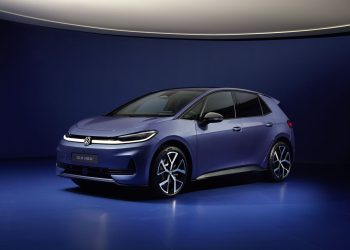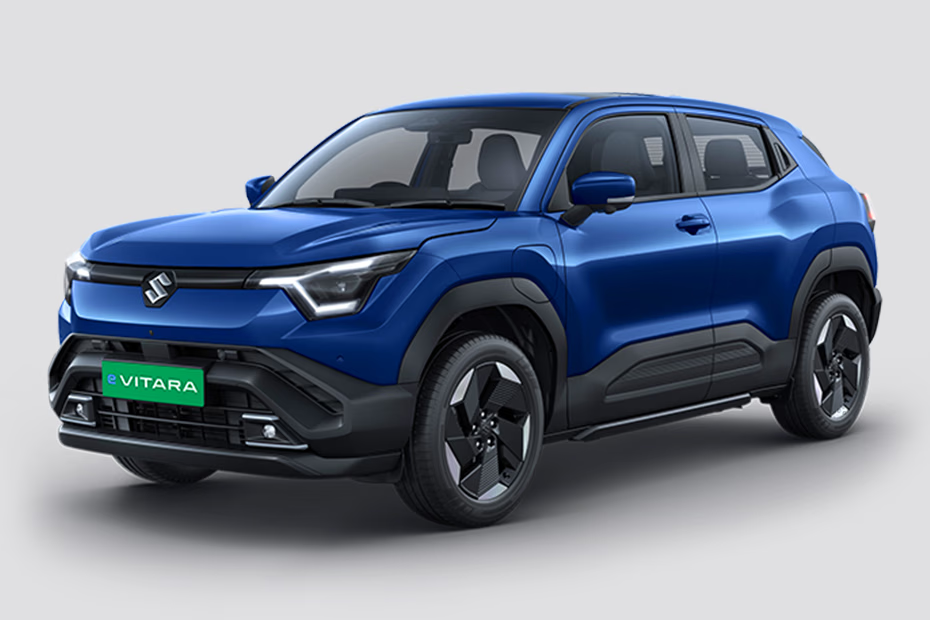
The Maruti Suzuki e VITARA officially launched in India on February 17. Source: Maruti Suzuki India Limited official press release and automotive industry reports. Consequently, this marks Suzuki’s first global battery electric vehicle. The compact electric SUV rides on Suzuki’s new HEARTECT-e platform. This architecture was built specifically for electric vehicles. Production occurs at Maruti Suzuki’s Hansalpur plant in Gujarat. Sales have already started in Europe and Japan. Furthermore, exports are planned for over 100 countries.
The Maruti Suzuki e VITARA represents a significant shift for the brand. Suzuki historically focused on internal combustion engines. Therefore, this dedicated EV platform signals strategic evolution. According to Suzuki, the powertrain delivers responsive acceleration. Additionally, sharp handling characterizes the driving experience. Consequently, the e VITARA demonstrates Suzuki’s commitment to electrification. This model serves as the foundation for future electric offerings.
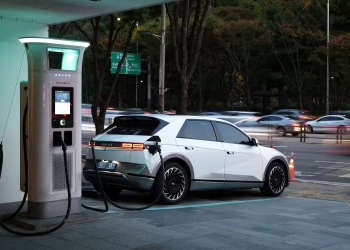
Maruti Suzuki expanded India’s EV charging network alongside the vehicle launch. The company introduced its “e for me” strategy simultaneously. This initiative focuses on reducing range anxiety for new electric vehicle owners. Specifically, over 2,000 branded charging points launched across more than 1,100 Indian cities. Furthermore, the target reaches 100,000 charging points by 2030. Dealer and Charge Point Operator partnerships enable this expansion. Additionally, a companion mobile app helps owners locate chargers. Users can monitor charging status in real time through this platform.
Service infrastructure supports the Maruti Suzuki e VITARA nationwide. Maruti Suzuki equipped 1,500 service workshops for BEV repair and maintenance. Moreover, mobile service vehicles extend coverage to remote areas. These combined efforts aim to build buyer confidence in electric vehicle ownership. Consequently, Indian consumers gain comprehensive support throughout their EV journey. This holistic approach addresses common adoption barriers effectively.
Global production and export strategy positions India as a key hub. The Hansalpur plant manufactures the Maruti Suzuki e VITARA for domestic and international markets. Therefore, India serves beyond just a domestic sales destination. Deliveries commenced in Europe and Japan already. In total, Suzuki plans to ship the e VITARA to over 100 countries and regions worldwide. This ambitious scope reflects Suzuki’s confidence in the platform’s global appeal.
The HEARTECT-e architecture enables flexible vehicle development. Engineers designed this platform from the ground up for battery electric vehicles. Consequently, the Maruti Suzuki e VITARA benefits from optimized weight distribution. Additionally, the flat battery layout improves interior space utilization. These engineering advantages translate to enhanced passenger comfort and cargo capacity. Therefore, the vehicle competes effectively in the compact SUV segment.
Charging infrastructure development remains critical for EV adoption success. Maruti Suzuki’s “e for me” strategy addresses this need proactively. Specifically, the 2,000+ charging points at launch provide immediate coverage. Furthermore, the 100,000-point target by 2030 ensures long-term scalability. This phased approach balances immediate usability with future growth potential. Consequently, early adopters gain confidence while infrastructure expands steadily.
Service readiness represents another crucial adoption factor. The Maruti Suzuki e VITARA benefits from 1,500 BEV-ready workshops nationwide. Technicians receive specialized training for electric vehicle maintenance. Additionally, mobile service vehicles reach customers in remote locations. This comprehensive support network reduces ownership concerns significantly. Therefore, potential buyers perceive lower risk in transitioning to electric mobility.
Export strategy leverages India’s manufacturing capabilities effectively. The Hansalpur plant meets global quality standards consistently. Consequently, the Maruti Suzuki e VITARA qualifies for diverse international markets. Suzuki’s established distribution networks facilitate rapid market entry. Furthermore, competitive pricing enhances appeal in emerging economies. Therefore, India’s role as an export hub strengthens Suzuki’s global electrification efforts.
Consumer education complements infrastructure and service investments. Maruti Suzuki provides resources explaining electric vehicle benefits clearly. Additionally, test drive programs allow hands-on experience with the Maruti Suzuki e VITARA. These initiatives demystify EV technology for first-time buyers. Consequently, informed consumers make confident purchasing decisions. This approach accelerates mainstream electric vehicle adoption across India.
The compact SUV segment offers significant growth potential for electrification. The Maruti Suzuki e VITARA targets this high-demand category strategically. Therefore, the vehicle appeals to urban families seeking practical electric mobility. Furthermore, competitive pricing positions it against established rivals effectively. Consequently, Maruti Suzuki captures meaningful market share in India’s evolving EV landscape.
Sustainability goals align with the Maruti Suzuki e VITARA launch. Electric vehicles reduce tailpipe emissions significantly. Additionally, renewable energy integration further decreases lifecycle carbon footprints. Therefore, this model supports India’s climate commitments meaningfully. Moreover, local manufacturing reduces transportation-related emissions. Consequently, the e VITARA represents progress toward sustainable mobility solutions.
Future model expansions will build upon the HEARTECT-e platform’s success. Suzuki plans additional electric vehicles using this architecture. Consequently, the Maruti Suzuki e VITARA establishes a foundation for broader electrification. This strategy enables cost efficiencies through shared components. Furthermore, consistent user experiences strengthen brand loyalty across the EV lineup. Therefore, initial success with the e VITARA enables accelerated portfolio expansion.
Market dynamics favor early movers in India’s EV transition. The Maruti Suzuki e VITARA enters a growing segment with strong brand recognition. Consequently, Maruti Suzuki leverages existing customer relationships effectively. Additionally, dealer network familiarity simplifies the sales process. Therefore, the e VITARA benefits from established market presence. This advantage supports rapid adoption compared to new entrants.
As India’s electric vehicle market matures, comprehensive ecosystems drive success. The Maruti Suzuki e VITARA launch demonstrates this holistic approach. Infrastructure, service, education, and product quality combine to enable adoption. Consequently, stakeholders across the value chain benefit from coordinated efforts. Ultimately, sustainable mobility requires collaboration beyond individual vehicle launches. Therefore, the e VITARA represents a catalyst for broader industry transformation.