The EV subsidies South Korea programme is facing rapid depletion as demand for electric vehicles surges across the country. As a result, policymakers now face pressure to expand funding and manage growing consumer interest.
Government support for electric vehicles opened in early February. However, funds for passenger EVs have already run out in 45 out of 160 municipalities. At the same time, subsidies for commercial EVs have been exhausted in 54 regions. Therefore, the pace of adoption has exceeded expectations.
Even in areas where funds remain, allocations are nearly complete. Around 90 percent of passenger EV subsidies have already been used in 60 municipalities. Similarly, electric truck subsidies have reached comparable levels in 67 areas. Consequently, buyers in many regions may soon face limited access to incentives.
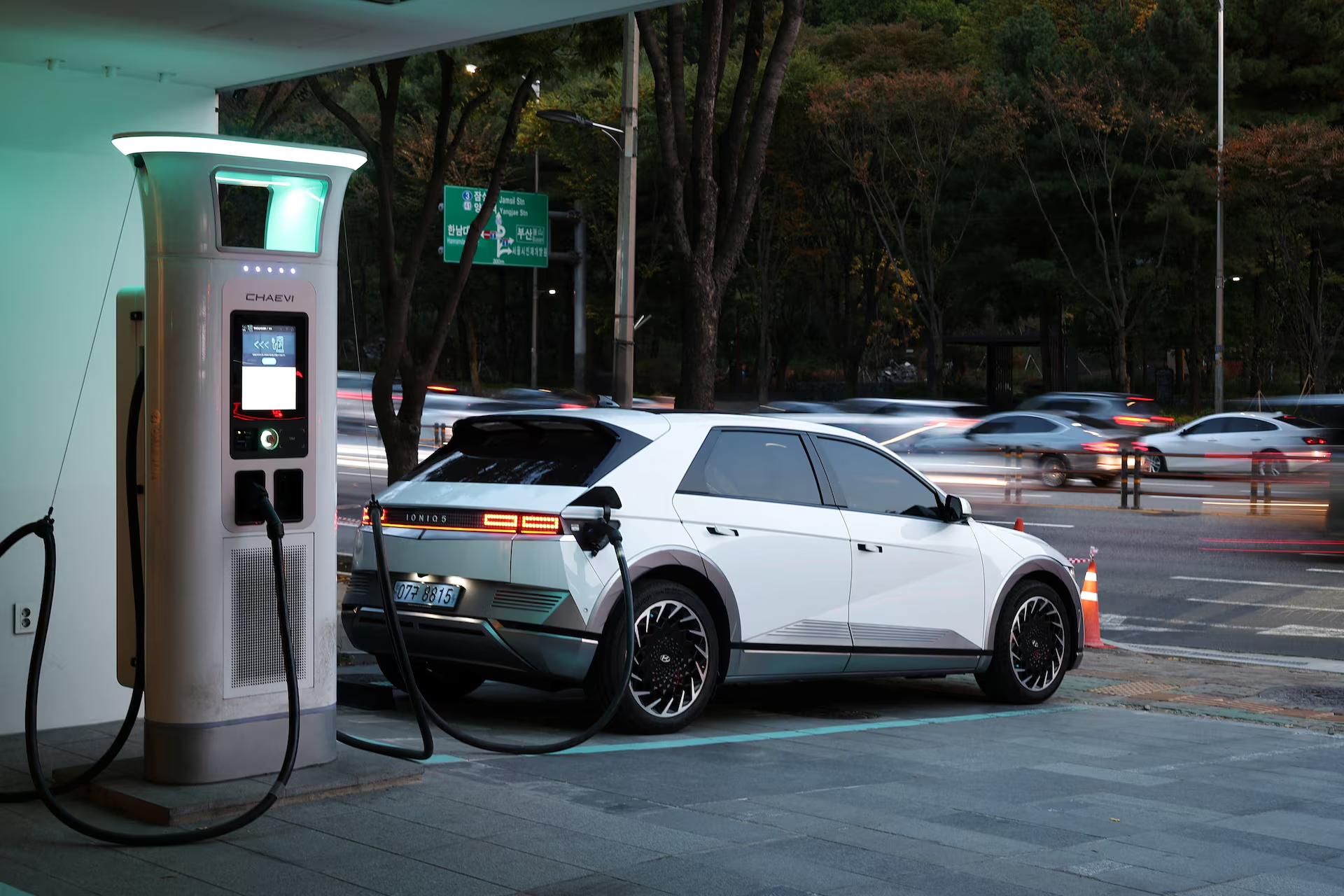
The rapid decline in EV subsidies South Korea reflects a strong rebound in demand. Sales reached 83,000 units in the first three months of the year. This marks an increase of more than 150 percent compared to the same period last year. In addition, total EV sales rose by over 50 percent in 2025, reaching 220,000 units.
Several factors are driving this surge. First, automakers have reduced vehicle prices to attract buyers. As a result, electric cars have become more affordable for a wider segment of consumers. Second, rising fuel costs have increased the appeal of EVs.
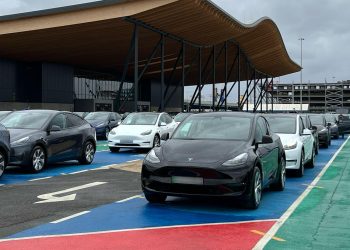
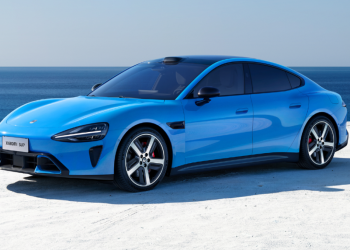
Major manufacturers have played a key role in this shift. Kia, Volvo, and Tesla have all introduced price reductions. At the same time, BYD has intensified competition with more affordable models. Therefore, the market has become more competitive and accessible.
Global energy trends have also influenced demand. Higher oil prices have made traditional vehicles more expensive to operate. In particular, disruptions around the Strait of Hormuz have affected supply chains. Since South Korea depends heavily on imported oil, these disruptions have increased costs. As a result, consumers are shifting toward electric alternatives.
The EV subsidies South Korea scheme has therefore become a key driver of adoption. However, its rapid depletion raises concerns about sustainability. Without sufficient funding, demand may not fully translate into actual purchases.
Data from the Korea Institute for Industrial Economics and Trade highlights this challenge. By early April, subsidy applications had reached over 70 percent of the allocated volume for passenger EVs. For commercial EVs, the figure exceeded 85 percent. Therefore, the gap between demand and available support continues to widen.
Industry experts argue that additional funding is necessary. If authorities expand the subsidy pool, they can maintain momentum in the EV market. Otherwise, sales growth may slow as financial incentives disappear.
At the same time, consumer groups have raised concerns about fairness. The uneven distribution of EV subsidies South Korea across municipalities creates regional disparities. In some areas, buyers can still access support. In others, funds have already been exhausted.
This imbalance may influence purchasing decisions. Buyers in regions with limited subsidies may delay or cancel their plans. Therefore, policymakers may need to adjust allocation strategies to ensure equal access.
The situation highlights a broader transition in the automotive sector. As EV adoption accelerates, government incentives play a crucial role in shaping demand. However, rapid uptake can strain these programmes.
Looking ahead, South Korea faces a balancing act. On one hand, it must support continued EV growth to meet environmental goals. On the other hand, it must manage public spending effectively. Therefore, careful planning will be essential.
The EV subsidies South Korea trend also reflects global shifts in mobility. Countries worldwide are promoting electric vehicles to reduce emissions and dependence on fossil fuels. As a result, competition among markets is increasing.
For South Korea, maintaining momentum in EV adoption remains a priority. However, ensuring consistent and fair access to subsidies will be key to sustaining growth.
Ultimately, the rapid depletion of EV subsidies South Korea shows both success and challenge. It confirms strong consumer demand. At the same time, it exposes the need for stronger policy support.
As demand continues to rise, the next phase will depend on how quickly authorities respond. If they expand funding and improve distribution, the EV market could continue to grow. Otherwise, momentum may slow despite strong interest from consumers.