In a landmark move aimed at addressing vehicle safety, China has officially banned the use of hidden car door handles on electric vehicles (EVs), setting a new global standard. The regulation, which takes effect in January 2027, marks China as the first country to prohibit the controversial design, a feature popularized by Tesla’s high-profile models, including the Model Y. The new policy comes in response to mounting concerns about the safety of hidden handles, especially following incidents in which power failures prevented car doors from opening during emergencies, leading to fatal crashes.
Hidden Handles and Their Rise in Popularity
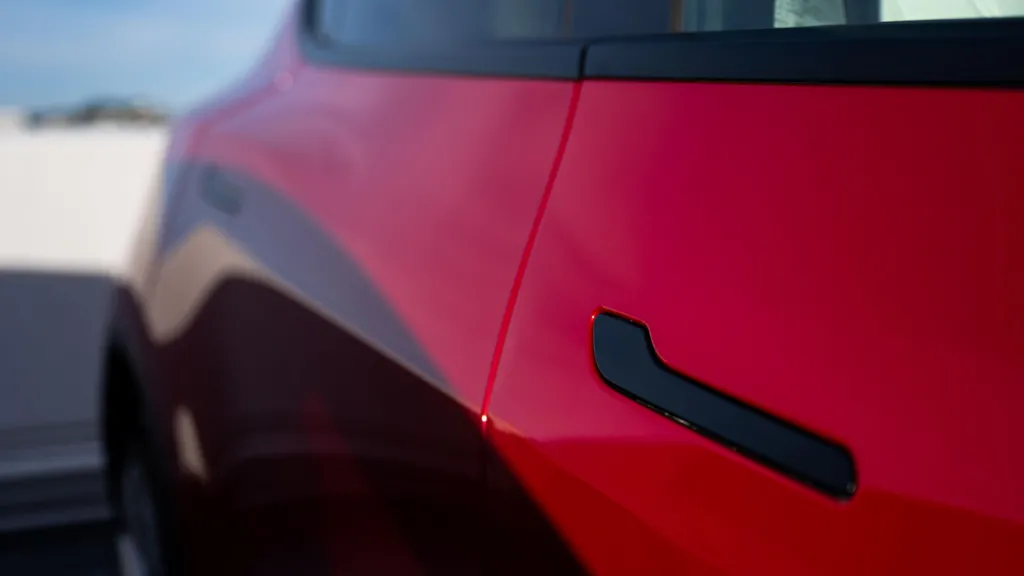
Hidden car door handles, designed to blend seamlessly with a vehicle’s exterior for an aesthetic and aerodynamic edge, have become a hallmark of modern EVs. Tesla, led by multi-billionaire Elon Musk, is one of the most well-known advocates of this design. The handles are electronically controlled, requiring a sensor to activate them. These types of door handles, which are not visible unless activated, have become increasingly common in China’s booming new energy vehicle (NEV) market, including electric, hybrid, and fuel cell vehicles.
China’s NEV market, one of the largest and most rapidly expanding in the world, has seen hidden handles become a standard feature in many of the top-selling models. According to data from government-run media, approximately 60% of the best-selling NEVs in the country are equipped with these hidden handles. However, recent safety concerns have prompted regulators to reconsider their widespread use.
The Trigger for the Ban: Fatal Incidents Involving Hidden Handles
The new rule comes after several high-profile safety incidents that have drawn attention to the potential dangers of hidden door handles in EVs. In particular, two fatal crashes in China involving Xiaomi-branded electric vehicles (EVs) raised alarm bells about the safety of the technology. Investigations into the crashes suggested that power failures had prevented the vehicle doors from being opened, trapping the occupants inside, and contributing to their deaths.
The tragic accidents prompted increased scrutiny from global safety regulators, including the U.S. National Highway Traffic Safety Administration (NHTSA), which has opened a probe into the safety of Tesla’s door handles. The issue of doors not opening properly, especially in emergency situations, has raised concerns about whether the design compromises the safety of passengers, particularly in cases where rapid evacuation is critical.
China’s New Regulations: Enhancing Door Accessibility
To address these concerns, China’s Ministry of Industry and Information Technology has issued a new set of regulations mandating that all passenger doors must have a mechanical release system on both the inside and outside of the door. These regulations are aimed at ensuring that all vehicles can be safely accessed and exited in the event of an emergency, regardless of electrical failures.
Under the new rules, which will come into effect on January 1, 2027, all car doors—except for the boot—must have a recessed space measuring at least 6 cm (2.5 inches) in length and 2 cm (0.8 inches) in width, which will make the door handles accessible. Additionally, interior signs must be placed inside the vehicle, showing how to open the door. These safety measures are designed to provide both practical access to the vehicle’s door handles and clear instructions for passengers, particularly in situations where power failures may compromise other mechanisms.
The new policy will apply to all new cars entering the market in China, and existing models that have already received approval from authorities will have a two-year grace period to update their designs to meet the new standards.
Impact on Tesla and Other Manufacturers
While the regulation will affect all car manufacturers selling vehicles in China, it is expected to have a particularly significant impact on Tesla. The electric carmaker, which has a strong presence in China’s NEV market, relies heavily on the hidden door handle design, and the country’s new rules will force the company to reevaluate its approach to vehicle accessibility.
Tesla’s Model Y, a flagship model, is among the vehicles under investigation by U.S. safety regulators. Reports of incidents where children were trapped inside Tesla vehicles due to malfunctioning door handles have prompted the NHTSA to initiate a probe. The safety issues surrounding Tesla’s hidden door handles have led to growing pressure for a reevaluation of this design in global markets, including the United States and Europe, where authorities are beginning to consider their own safety measures.
Global Trends and the Future of Vehicle Door Designs
The ban on hidden door handles in China signals a shift in how car safety features are viewed globally. While these designs have been celebrated for their sleek, futuristic aesthetic, the safety concerns surrounding their functionality cannot be ignored. As EVs become more widespread, the demand for greater safety standards will likely prompt more countries to reconsider their use, particularly in light of growing concerns about passenger accessibility in emergency situations.
China’s move could set a precedent for other markets to follow suit, especially as the country’s massive automotive industry continues to influence global standards. If the new regulations prove successful in improving safety, they could encourage other nations to adopt similar policies, potentially leading to the rethinking of hidden handles in vehicles worldwide.
A Growing Call for Safety in the EV Industry
As electric vehicles continue to make up a larger share of the global automotive market, manufacturers must address the balance between innovation and safety. The issue of hidden car door handles highlights the complexity of designing vehicles that are both visually appealing and secure for passengers. This ban in China underscores the importance of ensuring that safety features are not compromised in the pursuit of aesthetics or new technology.
With increasing regulatory scrutiny on vehicle safety features, manufacturers may need to consider adopting alternative designs that maintain both style and functionality while ensuring the accessibility and safety of passengers. As electric cars evolve, so too will the standards and regulations governing their design and safety features, prompting further innovation in the industry.
The decision to ban hidden door handles in China is just one step in the broader movement toward more stringent safety regulations for EVs. While some may view this as an obstacle for automakers, it represents an opportunity to refine vehicle designs and improve the safety of electric cars for consumers worldwide.