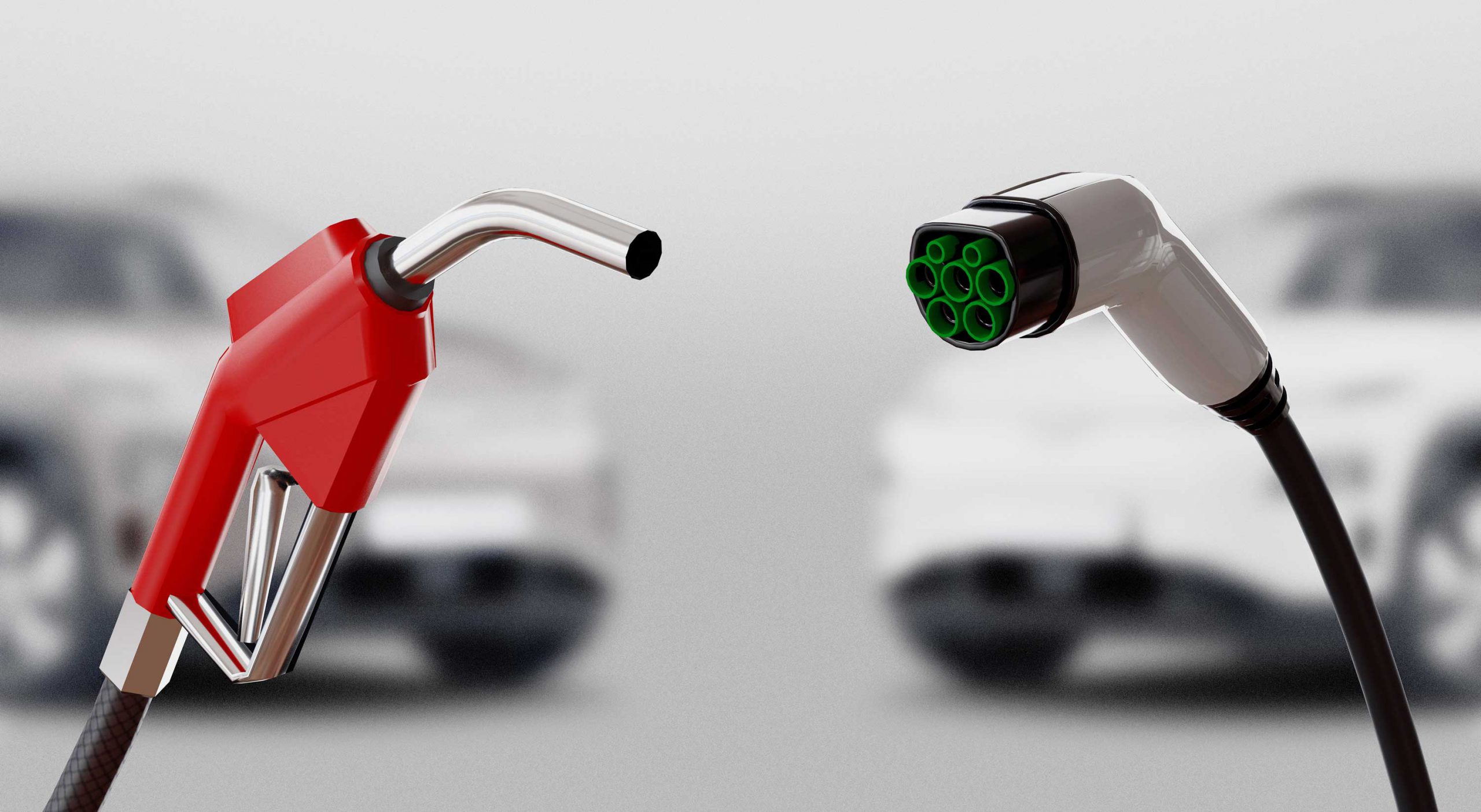
In a significant milestone for the European automotive industry, 2025 saw electric vehicles (EVs) surpass petrol-only cars in sales for the first time. This marked a pivotal shift towards electric mobility, driven by factors such as climate change concerns, governmental subsidies, and evolving consumer preferences. As petrol and diesel car sales continue to decline across Europe, the demand for electric and hybrid vehicles has surged. So, what are the key factors behind this shift, and which countries are leading the charge in adopting EVs?
Europe’s Electric Vehicle Surge: The Numbers Speak for Themselves
According to data from the European Automobile Manufacturers’ Association (ACEA), 2025 was a record year for EV sales across the European Union. For the first time ever, the number of fully electric vehicles sold in the EU surpassed the number of petrol-only vehicles. This marks a turning point in the region’s automotive landscape, signaling that the transition to greener, more sustainable vehicles is gaining momentum.
Despite the European Union’s recent decision to soften the 2035 car emissions ban — which now calls for a 90% reduction in CO2 emissions from carmakers instead of the previously planned 100% — the region has seen an increase in the registration of hybrid electric vehicles (HEVs). This indicates a wider shift toward electrification, even with the ongoing transition phase.
The EU had initially planned a sweeping ban on internal combustion engine (ICE) vehicles by 2035, but this controversial measure was later amended. Although the policy revision softened the overall emissions reduction goal, it did not dampen the demand for hybrid and electric cars. This adaptability in regulatory frameworks has allowed car manufacturers and consumers to remain optimistic about the future of sustainable mobility.
Declining Petrol and Diesel Car Sales: A Deeper Dive
As electric and hybrid cars gain ground, traditional petrol and diesel cars are losing market share rapidly. By the end of 2025, petrol car registrations had fallen by 18.7%, with every major European market experiencing a drop. Among these, France saw the most dramatic decline, with a staggering 32% drop in petrol vehicle registrations. Germany followed closely behind, with an 21.6% decline, while Italy and Spain saw decreases of 18.2% and 16%, respectively.
The decline in diesel vehicles was even more pronounced. Diesel cars, once a staple in many European countries, accounted for less than 10% of the market by the end of 2025. This marks a significant shift from earlier years when diesel vehicles were preferred for their fuel efficiency. Now, as environmental concerns rise and alternative fuel options gain traction, diesel’s dominance is waning.
Leading Countries in the EV Movement
The push for EV adoption in Europe is not uniform. Certain countries are leading the way in terms of EV market share and incentives. Among the largest markets for electric vehicles in the EU are Germany, the Netherlands, Belgium, and France, which together accounted for 62% of all battery-electric vehicle (BEV) registrations. These nations are not just witnessing a rise in EV sales but are also investing heavily in the infrastructure required to support them.
Governments across the EU are playing a significant role in facilitating this shift by offering various incentives, tax breaks, and subsidies to encourage citizens to buy electric vehicles. These national incentives have proven to be critical drivers of EV adoption in countries like Italy, Poland, and Greece.
Government Subsidies: Fueling the EV Revolution
The incentives offered by governments are a key factor behind the increased adoption of electric vehicles in Europe. Italy, for example, has one of the most generous subsidy schemes, offering up to €11,000 for individuals purchasing a new electric car, depending on their income level and the price of the car. This initiative is part of the government’s effort to make EVs more accessible to a broader population.
Greece and Poland have similarly attractive subsidy programs. Greece provides about €9,000 in incentives, with additional bonuses for scrapping old, polluting vehicles and for young buyers under the age of 29. On top of these incentives, Greece also offers various tax breaks, including exemptions from registration and circulation taxes for the most eco-friendly vehicles. These measures make it easier for consumers to make the transition to electric mobility.
Poland’s EV subsidy program is also substantial, offering around €9,000 in financial support for each electric car purchase, helping buyers offset the cost of making the switch from petrol-powered vehicles.
The Economic and Environmental Impact
The shift from petrol and diesel to electric vehicles is not only a technological transformation but also an economic and environmental one. The EU automobile industry is a significant contributor to the region’s GDP, generating over 8% of the bloc’s total economic output and providing 8.1% of all manufacturing jobs. This transition to EVs is creating new opportunities for growth, innovation, and job creation in the renewable energy and clean technology sectors.
From an environmental perspective, the growth in electric vehicle adoption is a step towards achieving the EU’s ambitious climate goals. With transport being one of the largest contributors to CO2 emissions in Europe, reducing the number of petrol and diesel vehicles on the road is essential to combating climate change. Electric vehicles produce fewer emissions over their lifespan, especially as the electricity grid becomes increasingly powered by renewable energy sources.
Challenges on the Horizon
Despite the positive trends, the transition to electric vehicles is not without its challenges. One of the biggest hurdles is the cost of EVs. While subsidies have made EVs more affordable, the upfront cost of purchasing an electric car is still higher than that of a traditional petrol or diesel car, making it a barrier for some consumers.
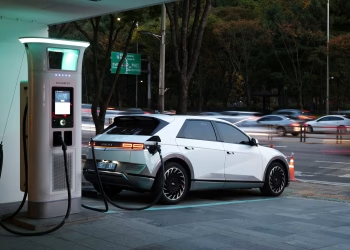
Another challenge is the availability of charging infrastructure. While countries like Germany and the Netherlands have made significant strides in developing a network of public charging stations, many parts of Europe still lag in this regard. Ensuring that there are enough charging stations to support the growing number of EVs on the road will be crucial for the continued success of this transition.
Consumer Preferences: The Push Toward a Greener Future
As governments and manufacturers push for more sustainable solutions, consumer preferences are also shifting. Many European drivers are increasingly concerned about the environmental impact of their vehicles and are more willing than ever to embrace electric cars. In fact, the growing awareness of climate change and the impact of fossil fuel consumption is playing a pivotal role in shaping purchasing decisions.
The desire for a cleaner, more sustainable future is driving the demand for electric cars, as consumers look to reduce their carbon footprint. Additionally, as the infrastructure for EVs improves and the selection of models becomes more diverse, it’s expected that even more consumers will make the switch to electric in the coming years.
The Road Ahead: Will Europe Continue to Lead?
Looking ahead, the future of electric vehicles in Europe appears bright. As more countries introduce stronger incentives, improve charging infrastructure, and offer greater consumer choice, the adoption of EVs is expected to continue to rise. While challenges remain, the momentum toward greener, cleaner vehicles is undeniable.
With government incentives, environmental concerns, and a growing commitment from both manufacturers and consumers, electric vehicles are poised to play a central role in the future of European transportation.