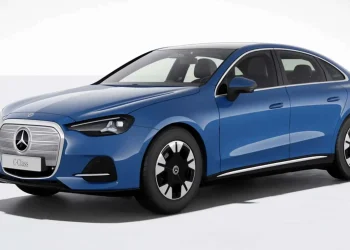
The Polestar upcoming EV models roadmap signals strong momentum for the Swedish electric brand. Source: Polestar official announcements and automotive industry reporting from Autoblog and Autocar. Consequently, the company plans four new or updated vehicles through 2028. This strategy follows Polestar’s most successful year since its 2017 launch.
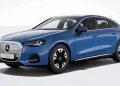
Polestar sold just over 60,000 cars globally in 2025. Furthermore, this volume represents the brand’s highest annual total to date. Therefore, the company accelerates product development confidently. The first confirmed addition is the Polestar 5 high-performance GT. This four-door sedan targets competitors like the Porsche Taycan. Additionally, it delivers up to 871 HP in Performance guise. Deliveries begin this summer for this flagship model.
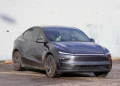
An arguably more intriguing addition arrives in 2026. CEO Michael Lohscheller hints at a lifted station wagon version of the Polestar 4. Specifically, he states Sweden is famous for estate cars and world-class SUVs. Consequently, the brand combines estate space with SUV versatility. Moreover, dynamic performance remains central to the Polestar identity. This model likely abandons the controversial windowless rear design. Therefore, a conventional rear windshield improves practicality for wagon buyers.
The Polestar upcoming EV models strategy includes a second-generation Polestar 2 in early 2027. This mass-produced sedan retains its name despite being an all-new model. Furthermore, teaser imagery suggests a departure from Volvo-inspired styling. Consequently, the design adopts Polestar-specific cues found on newer vehicles. This evolution strengthens brand identity across the expanding lineup. Additionally, seven years of market feedback inform this update significantly.
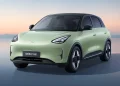
A compact premium SUV called the Polestar 7 completes the near-term roadmap. This model arrives in 2028 and slots below the larger Polestar 3. Therefore, it targets entry-level luxury electric SUV buyers specifically. Furthermore, its compact dimensions suit urban driving environments effectively. Consequently, the Polestar upcoming EV models portfolio addresses diverse consumer segments. This breadth supports sustainable growth across global markets.
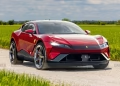
The naming sequence jumps from Polestar 5 to Polestar 7 intentionally. Specifically, the Polestar 6 sports car faces delayed development. This two-door flagship was previewed by the 2022 O2 concept. Additionally, the aggressive BST concept appeared in 2024. However, the brand prioritizes higher-volume vehicles like the Polestar 7 first. Therefore, the Polestar 6 remains a future flagship expectation. Consequently, enthusiasts await this performance-focused model patiently.
The Polestar upcoming EV models strategy reflects careful market positioning. Each vehicle targets distinct consumer needs and price points. Furthermore, shared platform technology enables cost efficiencies significantly. Consequently, Polestar balances innovation with financial sustainability effectively. This approach supports long-term competitiveness in the evolving EV sector. Additionally, brand differentiation strengthens through consistent design language.
Product development timelines align with manufacturing capacity planning. Specifically, the Hansalpur plant and other facilities scale production accordingly. Therefore, supply chain readiness supports ambitious launch schedules. Moreover, quality control processes maintain Polestar’s premium reputation consistently. Consequently, the Polestar upcoming EV models reach customers with reliable build standards. This operational discipline underpins brand credibility in competitive markets.
Consumer anticipation builds for the wagon variant significantly. Estate body styles offer practical advantages for families and adventurers. Furthermore, the lifted suspension improves all-weather capability meaningfully. Consequently, this model addresses unmet demand in the electric vehicle segment. Additionally, Polestar’s Swedish heritage enhances appeal for design-conscious buyers. Therefore, the wagon could become a standout offering in the lineup.
The second-generation Polestar 2 benefits from technological advancements substantially. Specifically, battery chemistry improvements increase range and reduce charging times. Furthermore, software updates enhance user interface and connectivity features. Consequently, the refreshed model competes more effectively against newer rivals. Additionally, retained branding leverages existing customer recognition strategically. Therefore, the Polestar 2 evolution balances familiarity with innovation.
The Polestar upcoming EV models roadmap demonstrates strategic patience. Delaying the Polestar 6 allows resource allocation to higher-volume segments. Furthermore, market conditions influence product sequencing decisions significantly. Consequently, Polestar adapts its timeline to maximize commercial success. Additionally, maintaining enthusiast interest through concept reveals sustains brand momentum. Therefore, the delayed sports car remains a valuable future asset.
Global expansion supports the Polestar upcoming EV models strategy effectively. Specifically, European and Asian markets show strong electric vehicle demand. Furthermore, North American infrastructure improvements enable broader adoption. Consequently, Polestar tailors offerings to regional preferences strategically. Additionally, local partnerships facilitate market entry and service coverage. Therefore, geographic diversification reduces dependence on any single market.
Sustainability commitments guide product development decisions consistently. Specifically, Polestar pursues carbon-neutral manufacturing and supply chain practices. Furthermore, material selection prioritizes recycled and renewable resources. Consequently, the Polestar upcoming EV models align with environmental values meaningfully. Additionally, transparent lifecycle reporting builds consumer trust effectively. Therefore, ecological responsibility strengthens brand appeal for conscious buyers.
As the electric vehicle market matures, product differentiation becomes crucial. The Polestar upcoming EV models strategy addresses this challenge thoughtfully. Specifically, each vehicle offers distinct design and performance characteristics. Furthermore, consistent brand identity connects the expanding lineup cohesively. Consequently, Polestar builds recognition and loyalty across diverse consumer segments. Therefore, strategic planning supports sustainable growth in competitive markets.
Practical adoption considerations influence Polestar’s roadmap significantly. Specifically, charging infrastructure development affects consumer purchase decisions. Furthermore, service network expansion supports ownership confidence meaningfully. Consequently, Polestar coordinates product launches with ecosystem readiness. Additionally, consumer education initiatives demystify electric vehicle technology effectively. Therefore, holistic planning accelerates mainstream adoption across target markets.
The Polestar upcoming EV models represent a pivotal growth phase. Consequently, successful execution strengthens the brand’s global position significantly. Furthermore, innovation in design and technology differentiates Polestar from competitors. Therefore, strategic focus on diverse segments supports long-term viability. Ultimately, sustainable mobility requires balanced product portfolios and operational excellence. Consequently, Polestar’s roadmap reflects thoughtful adaptation to evolving market dynamics.