The surge in used EV market growth is transforming how Americans approach electric vehicle ownership as rising fuel prices and falling resale values make electric cars more accessible. For years, electric vehicles seemed like products designed mainly for early adopters and technology enthusiasts. However, the used EV segment is now introducing everyday consumers to electric mobility at a much faster pace.
This shift comes at a time when global pump prices continue to climb, putting pressure on household budgets. Many drivers now look for alternatives to gasoline-powered vehicles that can reduce long-term operating costs. Used electric vehicles increasingly appear to offer that solution.
The rapid used EV market growth in the United States reflects this changing consumer mindset. According to recent industry data, used EV sales in January rose 21 percent compared with the same month a year earlier. The momentum did not stop there. Across the full year, used EV sales in 2025 increased by about 35 percent compared with 2024.
These figures highlight a significant transformation within the automotive industry. Electric vehicles are no longer limited to new car showrooms. Instead, they are entering the mainstream through the second-hand market.
One major factor driving used EV market growth is declining prices. Electric vehicles have historically carried higher upfront costs than gasoline-powered cars. This price gap often discouraged many buyers from considering an EV. However, recent price movements have started to change that dynamic.
Data from automotive market analysts shows that used EV prices have dropped faster than many expected. The decline has narrowed the price difference between used electric vehicles and comparable gasoline cars.
For example, the price premium for used EVs compared with gasoline vehicles fell dramatically in a short period. In January, the premium stood at about $1,376, down from $2,591 the previous month. This rapid change makes electric vehicles much more competitive in the used car marketplace.
Several market forces contributed to this price shift. One major influence involves the growing number of electric vehicles returning from leases. When drivers finish leasing an electric car, those vehicles enter the used market. As more electric models reach the end of lease cycles, the supply of second-hand EVs increases.
Higher supply naturally pushes prices downward. As a result, buyers now find more affordable options when searching for electric vehicles.
Price adjustments in the new car market have also played an important role in used EV market growth. Tesla significantly reduced the prices of several new electric models during 2023 and 2024. These reductions had ripple effects across the entire electric vehicle ecosystem.
When new electric cars became cheaper, used EV prices also dropped to remain competitive. Resale values across the EV sector adjusted quickly, making second-hand electric vehicles far more attractive to cost-conscious buyers.
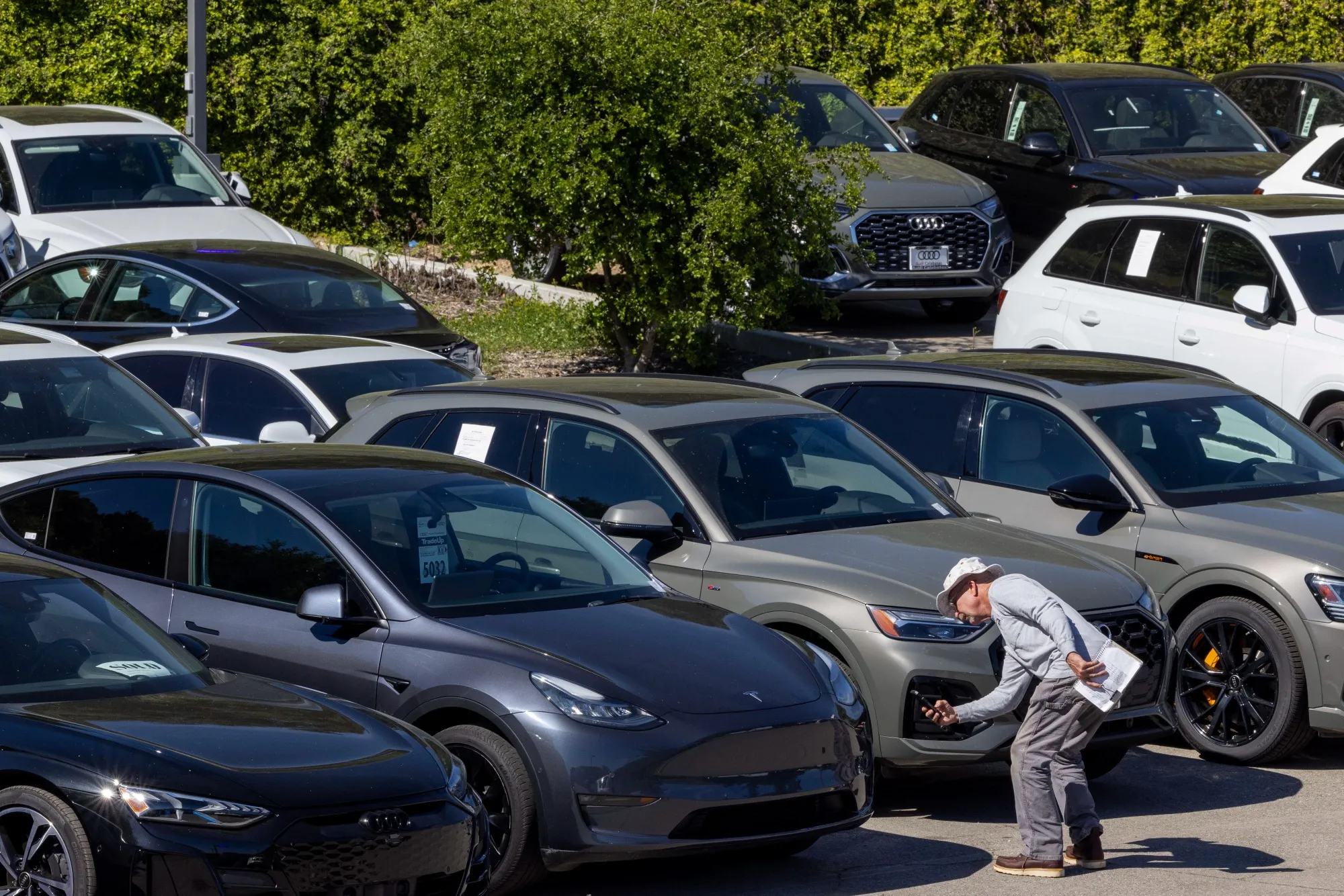
Another factor increased the number of available vehicles in the used EV marketplace. Rental companies, including Hertz, began selling large portions of their electric fleets. Many of these vehicles were Tesla models previously rented to customers.
The sale of these fleets suddenly expanded the supply of used EVs across the United States. Buyers who once struggled to find affordable electric vehicles now have far more options available.
However, affordability alone does not explain the surge in used EV market growth. Consumer confidence also plays a crucial role. Many drivers previously worried about battery reliability and long-term maintenance costs.
Early electric vehicle models sometimes raised concerns about battery degradation and expensive replacements. Today, new data suggests that those fears may have been overstated.
Modern EV battery packs often last well beyond 100,000 miles, and some continue functioning efficiently for much longer. Many manufacturers also provide extended warranties on battery systems, sometimes covering eight years or more.
These warranties offer reassurance to buyers who worry about potential repair costs. Knowing that the most expensive component of the vehicle remains protected helps increase buyer confidence.
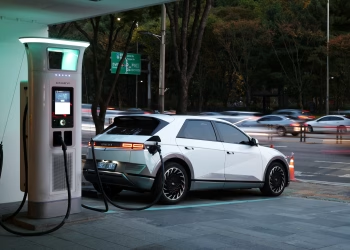
Improvements in charging infrastructure also support used EV market growth. Charging networks across the United States have expanded rapidly in recent years. Both government programs and private companies have invested heavily in building new charging stations.
Public fast-charging locations now appear along major highways, in shopping centers, and within urban neighborhoods. This expansion has significantly reduced one of the biggest fears associated with electric vehicles: running out of battery power without a nearby charging option.
Greater charging availability has changed how drivers view electric vehicles. Instead of seeing them as experimental technology, many consumers now treat EVs as practical everyday transportation.
The growth of the used EV market also helps address another challenge facing the auto industry. New vehicle prices have climbed dramatically over the past several years. Many consumers struggle to afford brand-new vehicles regardless of the powertrain type.
Used electric vehicles therefore represent a more affordable entry point into electric mobility. Buyers who could not justify the cost of a new EV may find used models within their budgets.
This affordability could accelerate broader electric vehicle adoption across the United States. When more drivers gain access to electric vehicles through the used market, public familiarity with the technology grows.
As familiarity increases, skepticism often decreases. Drivers who experience EV ownership firsthand often discover benefits such as lower fuel costs, reduced maintenance needs, and smoother driving performance.
These advantages contribute to continued used EV market growth. As more vehicles enter the second-hand market, competition and availability will likely continue improving.
Automakers also monitor these developments closely. Strong resale markets often support consumer confidence in new vehicles as well. When buyers believe a vehicle will retain reasonable value over time, they feel more comfortable purchasing it.
The used EV market therefore plays an important role in the broader transition toward electrification. It provides a bridge between early adoption and mainstream acceptance.
The coming years will likely determine whether the current trend represents a temporary surge or the beginning of a long-term shift in transportation habits. If fuel prices remain high and charging networks continue expanding, the used EV market could become one of the fastest-growing segments of the automotive industry.
For many American drivers, electric vehicles are no longer experimental technology. Thanks to falling prices and improving infrastructure, they increasingly represent a practical and affordable solution to rising transportation costs.