With the rising popularity of electric vehicles (EVs), knowing which type suits your needs is more important than ever. This article focuses on understanding the differences: BEVs vs. PHEVs vs. HEVs, helping you make an informed choice in a fast-evolving auto market. While all three reduce emissions and fuel dependence, they operate differently and offer distinct advantages.
Let’s break down the basics, pros, and cons of each type—Battery Electric Vehicles (BEVs), Plug-in Hybrid Electric Vehicles (PHEVs), and Hybrid Electric Vehicles (HEVs)—to clarify which one aligns best with your lifestyle, driving habits, and sustainability goals.
1. BEVs – Battery Electric Vehicles
How They Work:
BEVs are fully electric and run solely on rechargeable battery packs. They do not have a gasoline engine and rely entirely on electricity for propulsion.
Key Features:
- Zero tailpipe emissions
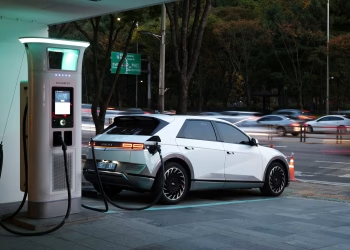
- Charging required via home, public, or fast-charging stations
- Longer ranges than earlier models—typically 200–400+ miles per charge
- Regenerative braking to recapture energy
Examples: Tesla Model 3, Nissan Leaf, Chevrolet Bolt, BYD Seal
Pros:
✔ Lowest emissions
✔ Fewer maintenance requirements
✔ Qualifies for government EV incentives
Cons:
✘ Requires regular charging infrastructure
✘ Longer recharging times compared to refueling gas
2. PHEVs – Plug-in Hybrid Electric Vehicles
How They Work:
PHEVs combine a battery-powered electric motor with a traditional gasoline engine. They can run on electric power alone for short distances, then switch to fuel when the battery is depleted.
Key Features:
- Electric range typically between 25–50 miles
- Recharge by plugging in or using the gas engine
- Ideal for daily short commutes with fuel backup for longer trips
Examples: Toyota RAV4 Prime, Hyundai Ioniq Plug-in, Mitsubishi Outlander PHEV
Pros:
✔ Flexibility—drive electric in town, gas for long trips
✔ Reduced fuel costs and emissions
✔ No range anxiety
Cons:
✘ Smaller battery than BEVs
✘ Requires more maintenance than BEVs due to dual systems
3. HEVs – Hybrid Electric Vehicles
How They Work:
HEVs also combine an electric motor and a gasoline engine but cannot be plugged in. Instead, the battery is charged via regenerative braking and the gas engine itself.
Key Features:
- Seamless switching between electric and gas modes
- Excellent fuel economy, especially in city driving
- Popular for those who want improved efficiency without charging
Examples: Toyota Prius, Honda Insight, Ford Escape Hybrid
Pros:
✔ No need for charging infrastructure
✔ Lower emissions than traditional gas vehicles
✔ Familiar driving experience
Cons:
✘ Limited electric-only driving
✘ Lower environmental impact compared to BEVs or PHEVs
Which EV Type Is Right for You?
- Choose BEVs if you want a 100% eco-friendly ride and have access to regular charging.
- Choose PHEVs if you want electric driving with fuel as a backup for longer trips.
- Choose HEVs if you want better mileage without needing to plug in.
By understanding the differences: BEVs vs. PHEVs vs. HEVs, buyers can select the most suitable vehicle based on driving distance, budget, environmental concerns, and access to infrastructure.
Drive Smarter, Choose Wisely
As the global push toward sustainable mobility continues, understanding the differences: BEVs vs. PHEVs vs. HEVs empowers consumers to align their transportation choices with performance, convenience, and environmental impact.
The best EV isn’t just about innovation—it’s about how it fits into your everyday life.