Major changes are unfolding across the global electric vehicle industry as automakers reassess strategy, production, and consumer demand. Stellantis has confirmed it is discontinuing several plug-in hybrid models, while Tesla is facing growing uncertainty over its manufacturing future in Germany. Together, the developments reflect how quickly priorities are shifting in the EV space. Stellantis Drops Plug-Ins as Tesla’s Berlin Future
Stellantis is pulling the plug on a number of plug-in hybrid vehicles from its US brands, including the widely known Jeep Wrangler 4xe and select models from Chrysler. These vehicles once played a central role in the company’s electrification strategy, but slowing demand and changing regulatory dynamics appear to have reshaped internal planning.
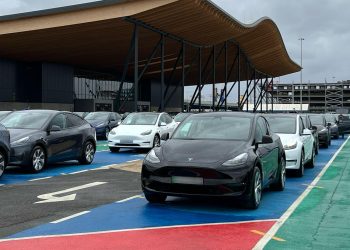
At the same time, concerns are mounting around Tesla’s operations at Gigafactory Berlin. Falling sales in Europe, coupled with ongoing labor tensions and union-related disputes, have fueled speculation that Tesla could eventually scale back or even exit production in Germany. While no formal decision has been announced, the situation underscores the challenges facing EV makers in increasingly competitive and regulated markets.
Beyond Stellantis and Tesla, several other electric vehicles are expected to disappear in 2026. Industry observers note that even high-profile models, including a best-selling electric pickup and a promising Model Y rival, are being phased out after failing to gain lasting traction. These exits highlight how survival in the EV market depends not only on technology, but also on pricing, incentives, and regional demand.
Meanwhile, Europe continues to see a surge of new electric vehicles from China. Despite tariffs, Chinese automakers are expanding their footprint across the continent, adding pressure on established brands already struggling with costs and profitability. Ongoing talks between the European Union and China could further reshape the competitive landscape if trade terms evolve.
The shifts have also reignited debate around vehicle ownership. With technology changing rapidly and model lifecycles shortening, many analysts argue that leasing may now make more sense than buying. Leasing allows drivers to adapt quickly as new battery tech, software features, and pricing structures emerge across the market.
These topics were recently explored on Quick Charge, where analysts examined why some EVs are disappearing, why production risks are rising in Europe, and how consumer choices may need to change. Together, the developments point to a volatile but transformative period for the global electric vehicle industry.