Ashok Leyland EV Battery plans are advancing as the Hinduja Group commercial vehicle maker announced an investment of up to Rs 500 crore for a new battery pack manufacturing facility near Chennai. The project signals the company’s growing commitment to electric mobility. At the same time, it strengthens India’s push to build a strong domestic electric vehicle ecosystem.
The company recently held the groundbreaking ceremony for the new plant at Pillaipakkam near Chennai. The project will require an investment between Rs 400 crore and Rs 500 crore. Importantly, this development forms part of the Hinduja Group’s broader investments under a memorandum of understanding signed in September 2025.
According to company leaders, the project marks a key step in the Ashok Leyland EV Battery strategy. Executive Chairman Dheeraj Hinduja said the facility highlights the company’s commitment to electric mobility. Moreover, it reflects Ashok Leyland’s focus on strengthening India’s local EV supply chain.
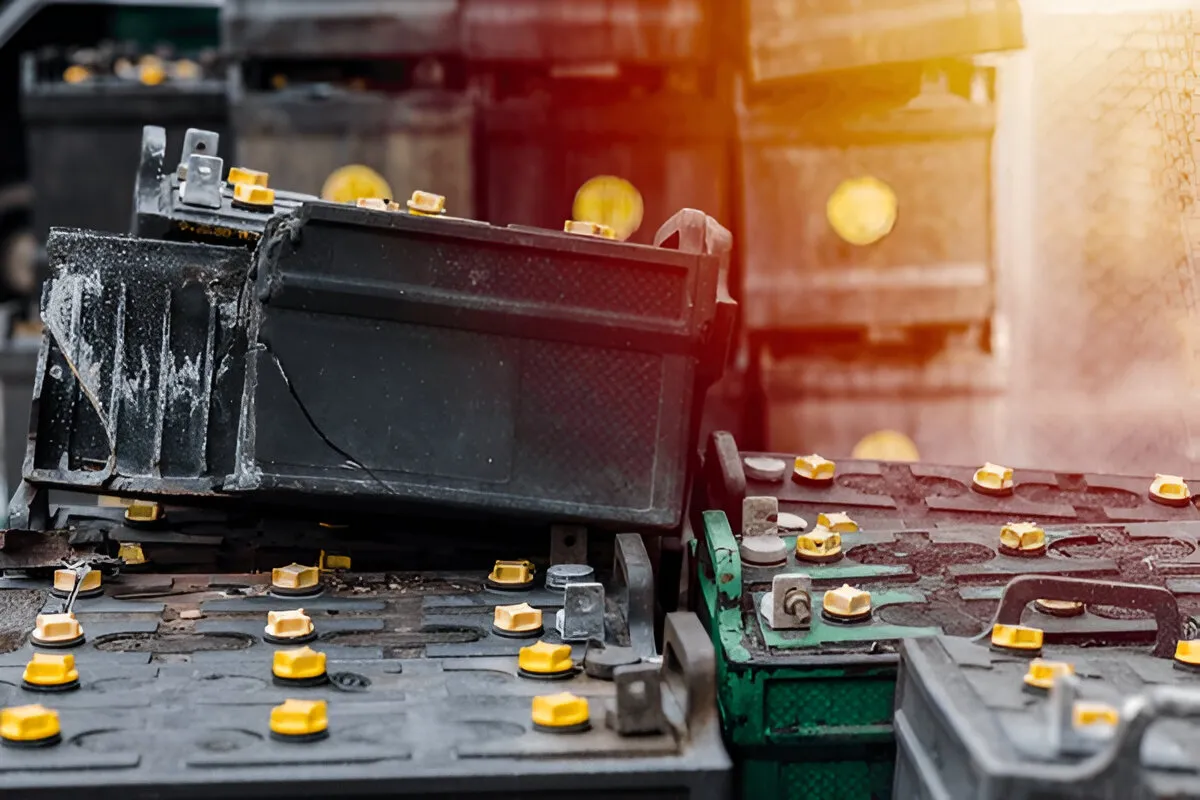
The new plant will manufacture battery packs for electric commercial vehicles. As a result, the company will reduce reliance on imported components. In addition, local production will improve supply chain stability and reduce manufacturing costs. Consequently, Ashok Leyland can accelerate development of new electric trucks and buses.
Meanwhile, competition in India’s electric vehicle market continues to grow. Several manufacturers are expanding production of electric buses and delivery vehicles. Therefore, companies are investing heavily in battery technology and EV infrastructure. Within this context, the Ashok Leyland EV Battery facility becomes strategically important for future expansion.
Battery packs represent one of the most expensive components of electric vehicles. For this reason, local manufacturing offers major advantages. First, it improves cost efficiency. Second, it allows manufacturers to adapt battery systems to local operating conditions. Ultimately, these improvements can strengthen the competitiveness of electric commercial vehicles.
Furthermore, the project aligns closely with Tamil Nadu’s Electric Vehicle Policy 2023. The state government actively encourages EV investments through incentives and industrial support. As a result, Tamil Nadu has become one of India’s key hubs for automotive manufacturing. Therefore, establishing the Ashok Leyland EV Battery facility near Chennai offers strong logistical advantages.
In addition, the project supports India’s National Mission on Transformative Mobility and Battery Storage. This national initiative promotes domestic production of advanced EV technologies. Consequently, battery pack manufacturing plays a crucial role in the country’s EV transition.
At the same time, India continues to pursue ambitious climate goals. The government aims to achieve net-zero emissions by 2070. Therefore, expanding electric vehicle production remains a major priority. By investing in the Ashok Leyland EV Battery plant, the company directly contributes to reducing emissions from transportation.
Ashok Leyland already ranks among India’s largest commercial vehicle manufacturers. The company produces trucks, buses, and specialized vehicles for various sectors. However, it has increasingly focused on electric mobility solutions in recent years. Consequently, investments in battery production will support the company’s future EV portfolio.
Looking ahead, demand for electric commercial vehicles is expected to grow rapidly. Cities are adopting electric buses for public transport. At the same time, logistics companies are shifting toward electric delivery fleets. Therefore, battery manufacturing capacity will play a critical role in meeting this demand.
Overall, the Ashok Leyland EV Battery investment represents a significant step in India’s electric mobility journey. Through stronger domestic production and strategic partnerships, the company aims to expand its role in the evolving EV market. As the transition to electric transport accelerates, such investments will help shape the future of India’s automotive industry.