Mercedes Geely EV Platform discussions highlight a potential shift in the global electric vehicle industry. Mercedes-Benz, long known for engineering leadership, is reportedly exploring Chinese technology to support its next generation of electric vehicles. According to reports from Chinese outlet 36Kr, the German automaker is evaluating a new vehicle architecture that could rely on technology developed by Geely.
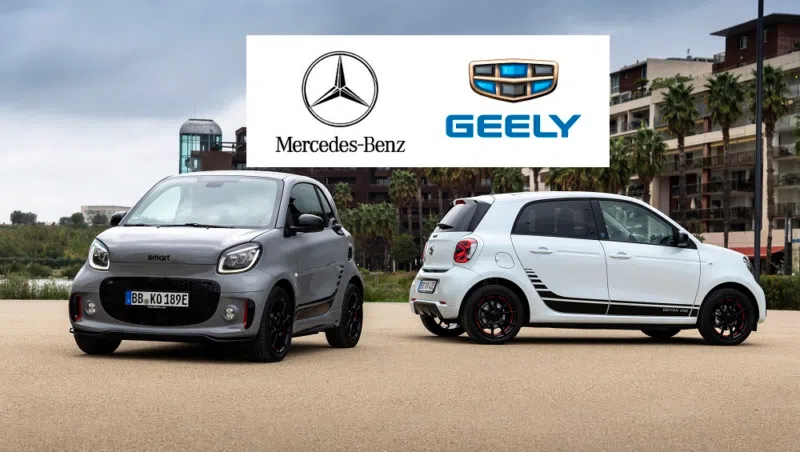
Mercedes-Benz and Geely already share a close relationship. Geely holds a stake in Daimler, Mercedes-Benz’s parent company. In addition, the two companies have collaborated on several projects in recent years. Now, however, the partnership could deepen as Mercedes evaluates the Mercedes Geely EV Platform concept for future entry-level vehicles.
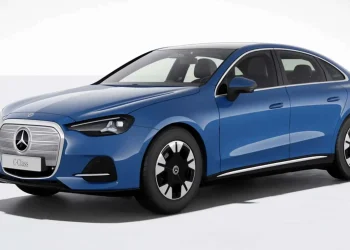
Industry insiders say Mercedes-Benz is developing a new vehicle platform under the codename “Phoenix.” This architecture could underpin the next generation of compact Mercedes models. For example, future versions of the A-Class, CLA, GLA, and GLB may use the new platform. Instead of designing every component internally, Mercedes is reportedly considering Geely’s GEA electronic and electrical architecture.
This system controls how a vehicle’s computers communicate with each other. As a result, it enables modern features such as driver assistance systems, advanced infotainment, and connected vehicle functions. Mercedes engineers are currently testing the idea using Geely’s latest GEA 4.0 architecture. If the project moves forward, the Mercedes Geely EV Platform could arrive around 2030.
The Phoenix architecture would eventually replace Mercedes’ current MMA platform. That platform currently supports the new electric CLA. However, the next generation of vehicles may require more advanced software systems and electronics. Therefore, Mercedes appears to be exploring external technology to improve efficiency and speed up development.
At the same time, the Mercedes Geely EV Platform also fits into Mercedes’ broader strategy of building vehicles that are easier to repair and maintain. A modern electronic architecture allows simpler system integration. Consequently, technicians can diagnose and repair vehicles more efficiently.
Another important element involves the growing influence of China in Mercedes’ development process. Reports suggest the company recently restructured parts of its engineering organization. As a result, its China research and development center now plays a much larger role in future vehicle projects.
If the Chinese R&D team leads development of the Phoenix platform, it would mark a historic shift for Mercedes-Benz. Traditionally, major vehicle platforms have always been developed in Germany. Therefore, assigning leadership to a Chinese development center would represent a significant change in the company’s engineering culture.
Nevertheless, the move reflects broader industry trends. Chinese automakers have rapidly improved their capabilities in electric vehicle development. In particular, they have become highly competitive in areas such as battery technology, vehicle software, and electronic systems.
At the same time, Chinese companies have mastered cost-efficient manufacturing. They can produce advanced technologies at significantly lower costs. For example, LiDAR sensors once cost nearly $50,000. Today, similar systems are available for a fraction of that price due to improvements in Chinese manufacturing.
Consequently, global automakers are increasingly paying attention to Chinese innovation. Companies such as Ford, General Motors, and Rivian are also exploring advanced technologies developed by Chinese suppliers. As electric vehicles become more software-driven, expertise in electronics and digital systems becomes even more important.
Against this backdrop, the Mercedes Geely EV Platform concept highlights how the global automotive industry is evolving. Instead of relying solely on traditional engineering centers, automakers now collaborate across continents. This approach allows them to combine advanced technology with faster development cycles.
Looking ahead, the Phoenix platform could shape Mercedes’ entry-level electric vehicles for the next decade. If the project moves forward, it may redefine how luxury automakers design and develop future EVs. Moreover, it would demonstrate how Chinese technology is influencing even the most established European automotive brands.