Honda 0 Series electric vehicles will no longer enter global markets after the automaker confirmed a major shift in its electric strategy. The announcement follows a restructuring plan designed to reduce financial pressure and stabilize the company’s operations.
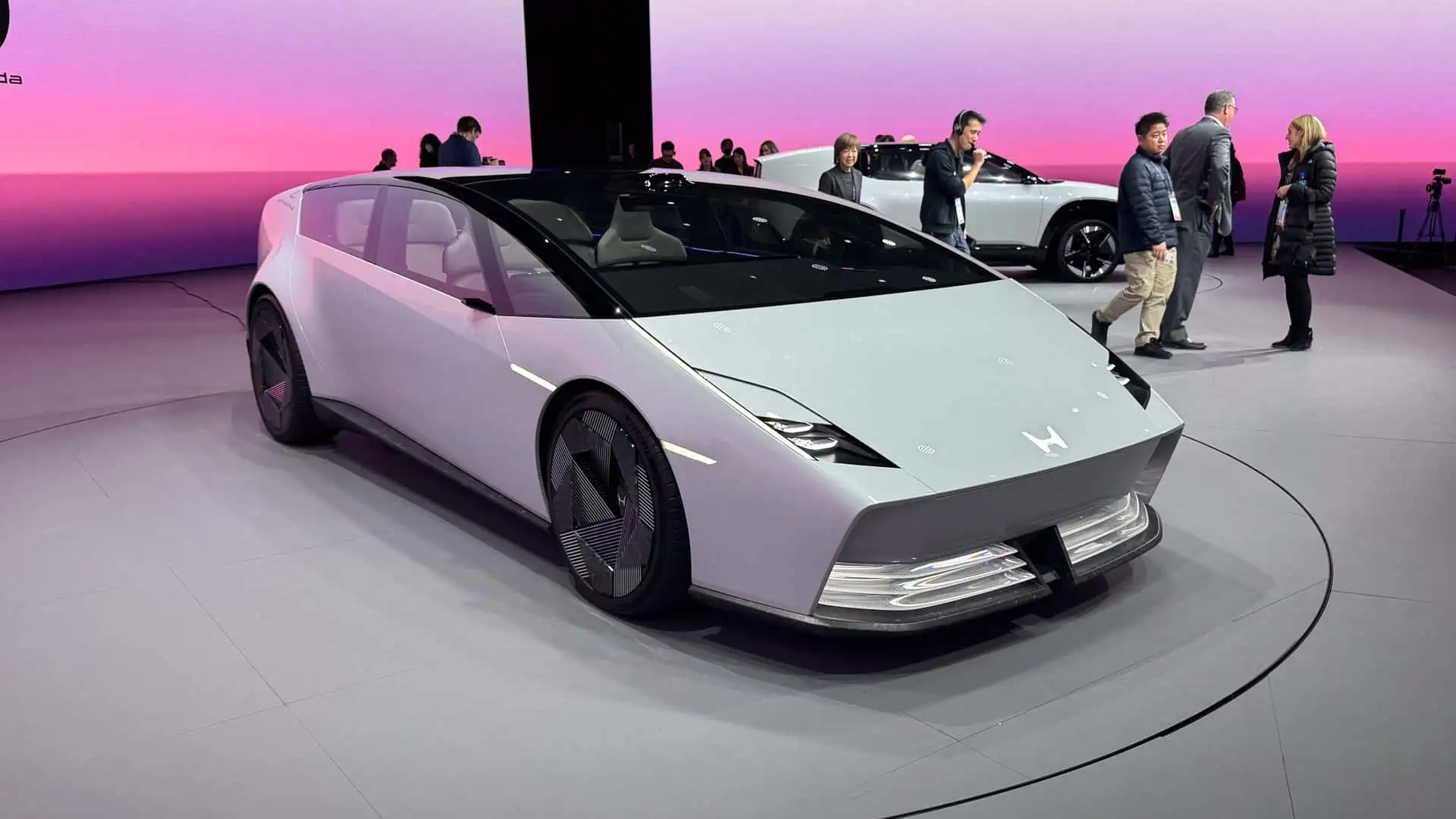
Honda Japan revealed that development of the electric sedan and crossover from the planned lineup will stop immediately. The related Acura RSX electric model will also not move forward. The decision marks one of the biggest strategic reversals in the company’s EV ambitions.
Executives described the move as part of a broader effort to reorganize operations and limit losses. The company also acknowledged rising competition and shifting market conditions that have reshaped the global electric vehicle sector.
Why Honda Cancelled the Electric Program
Several factors pushed Honda to abandon the program. The company reported record financial losses connected to tariffs and declining competitiveness in key Asian markets.
At the same time, Chinese manufacturers continue to move quickly in the electric vehicle sector. These companies develop models at a faster pace and integrate software features that attract modern buyers.
Because of this rapid innovation, competitors now release vehicles with shorter development cycles and frequent updates. Honda admitted it cannot match that pace right now.
Another challenge involves slower EV growth in the United States. The market has expanded, but it has not grown as rapidly as Honda expected. This slowdown forced the company to reassess the scale of its electric investment.
Original Plans for the Electric Models
Before cancellation, the electric program represented a major engineering project inside the company. Honda designed the platform from the ground up instead of adapting existing partnerships.
For example, the Honda Prologue electric SUV uses technology developed with General Motors. However, the cancelled models relied entirely on Honda’s own architecture and design.
Engineers planned to produce the vehicles in Ohio. The lineup included a wedge shaped sedan, a futuristic crossover, and an Acura performance model based on the same platform.
Earlier announcements suggested the sedan might launch around 2027. Other vehicles were scheduled to arrive sooner. However, the company halted development before production began.
Financial Impact of the Decision
The restructuring carries a massive financial cost for the company. Honda estimates that the overall corporate reshuffle may generate losses of up to 1.2 trillion yen.
That amount equals roughly 15.7 billion dollars. The figure includes cancelled development expenses and lost potential sales. It also reflects declining performance in the Chinese market.
Much of the spending went toward research, engineering, and manufacturing preparation. Because the program ended before launch, those investments now appear as major write downs in the company’s financial outlook.
Read Also
Rivian Faces Backlash Over R2’s Rear Door Manual Release
Tesla Owner Documents Battery Issues and EV Repair Costs
Future Strategy After the Cancellation
Despite the cancelled program, parts of the development work may continue in selected regions. Honda confirmed that the 0 Series Alpha concept will still reach production in markets such as India and some parts of Asia.
Meanwhile, the company plans to strengthen its hybrid vehicle lineup. Executives believe hybrid models can bridge the gap while electric adoption evolves across different regions.
However, Honda has not explained what its next global EV strategy will look like. Analysts say the company still needs competitive electric models if it hopes to keep pace with rivals.
Electric vehicle demand continues to rise worldwide, even with occasional market slowdowns. Higher fuel prices and environmental policies continue to push many buyers toward electrified transportation.
Therefore, Honda now faces a difficult challenge. The company must rebuild its electric strategy while managing financial pressure and increasing competition in the rapidly changing automotive industry.