Volkswagen EV names take a new turn
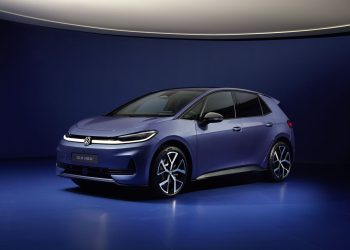
The Volkswagen EV names strategy is undergoing a major shift. Instead of experimental names like ID.4 and ID.7, the company will lean on iconic model names. Volkswagen announced that the VW ID.2all compact hatchback will enter production in 2026 as the ID. Polo, complete with a sportier ID. Polo GTI version.
At the same time, Volkswagen will introduce the ID. Cross, an electric SUV positioned as the counterpart to the popular T-Cross sold in Europe and Latin America. Both vehicles will be showcased at the IAA Munich auto show before entering production in 2026.
Why Volkswagen is rebranding its EVs
By reusing familiar names, Volkswagen aims to make its electric cars feel more personal and approachable. “A model like the Polo shows just how powerful a name can be,” VW board member Martin Sander explained. “It stands for reliability, personality, and history. That’s why we are again giving our ID. models names that arouse emotions and are anchored in people’s everyday lives.”
This strategy signals a clear break from the futuristic but less relatable ID. naming system. VW believes heritage names like Polo and Golf resonate more with customers, helping build trust in a rapidly changing market. The ID. Golf is also in the works as a bigger companion to the Polo.
Read Also
- DS N8 AWD Long Range
- Electric Porsche Macan review and insights
- Where to find EV charging stations in Uganda
Familiar features make a comeback
Volkswagen is also reintroducing physical buttons, a feature many customers have requested. Future EVs will combine digital displays with tactile controls, offering a balance of modern functionality and user-friendly design. The move reflects VW’s efforts to listen more closely to customer feedback and improve overall quality.
While the automaker has faced setbacks with software development, production delays, and mixed global sales, its recent momentum shows progress. The company recently partnered with Rivian to develop advanced EV software and platforms, with future models expected to benefit from this collaboration.
A broader industry trend
Volkswagen is not alone in this approach. Porsche has turned the Macan electric, with the Cayenne soon to follow. Mercedes-Benz is moving away from its EQ naming scheme, while Toyota plans to align future EVs with its well-known hybrid and gas-powered vehicles.
By emphasizing heritage, Volkswagen hopes to strengthen its position in Europe—where it has surpassed Tesla in sales—while appealing to global markets. The shift in Volkswagen EV names marks a new phase: one where electric mobility feels less like science fiction and more like an extension of trusted, everyday models.