Volkswagen EV Strategy 2025
The Volkswagen EV Strategy has finally taken shape after years of false starts. When Volkswagen launched the ID.3 in 2019, it claimed the hatchback was as important as the Beetle and Golf. That bold statement quickly felt hollow, as early ID models struggled with software glitches, uninspired interiors, and disappointing value.
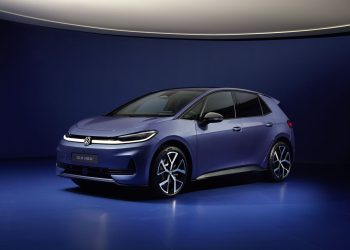
Volkswagen learned tough lessons. Customers disliked stripped-down cabins, recalls exposed design flaws, and its Cariad software arm stumbled repeatedly. Meanwhile, competition from Tesla and Chinese automakers intensified. Yet, Volkswagen remained resilient. Today, the company’s latest concepts—the ID. Cross and ID. EVERY1—show a brand ready to compete again.
Where It Went Wrong
For years, legacy automakers assumed their dominance would carry over into the EV era. VW followed Tesla’s playbook but failed to match its execution. The ID.4 suffered from reliability issues and cost-cutting interiors, while the ID. Buzz failed to impress on value or tech. Even basics like door handles became a problem, with recalls denting consumer trust.
This arrogance reflected an industry unwilling to change. Forced by regulators after its emissions scandal, VW built EVs because it had to—not because it had a clear vision. Those efforts exposed the gaps. But as Tesla lost momentum in Europe, Volkswagen became the region’s top EV seller.
Read Also
Why the Future Looks Better
The Volkswagen EV Strategy now emphasizes quality, usability, and value. The ID. Cross concept blends modern software with physical buttons, addressing one of the biggest consumer complaints. Its cabin feels premium and functional, signaling that VW has listened to feedback.
More importantly, the ID. EVERY1 represents a true turning point. Developed with Rivian, it uses a new zonal architecture that reduces wiring, lowers costs, and allows seamless over-the-air upgrades. Combined with improved battery investments, this approach should deliver more affordable EVs without sacrificing performance.
Humility Over Hubris
Volkswagen’s transformation is rooted in humility. The brand acknowledges it fell behind and is openly addressing its weaknesses. Rivian’s software expertise, paired with VW’s build quality, could produce EVs that finally rival Tesla, Hyundai, and BYD.
The company also recognizes its uphill battle in China and the U.S., where competition is fiercest. But by focusing on value, design, and reliable tech, Volkswagen has a clearer path forward. Its journey reflects a shift from overconfidence to resilience, with lessons learned from failure shaping smarter strategies.
The Volkswagen EV Strategy is no longer about hype—it’s about execution. If ID. Cross and ID. EVERY1 deliver as promised, Volkswagen will not only regain its footing but could set a new benchmark for legacy automakers in the EV age.