Toyota is finally broadening its lineup of Toyota electric cars in the U.S. for the 2026 model year. Until now, buyers had only one all-electric option from the brand. Now, two new models—the compact C-HR and the rugged bZ Woodland—deliver fresh choices. However, their higher prices raise questions about value, especially when nearly identical Subaru versions cost significantly less.
The 2026 Toyota C-HR is a small, stylish crossover designed for urban life. It starts at €32,820 for the SE trim, with the XSE trim priced at €34,530. Notably, it comes standard with all-wheel drive—a rare feature in this segment. Toyota estimates a range of 483 km on a full charge, powered by a dual-motor setup that delivers 338 horsepower. Inside, drivers get a 14-inch touchscreen with wireless smartphone integration. Additionally, it uses the North American Charging Standard (NACS) plug, giving it access to Tesla’s extensive Supercharger network.
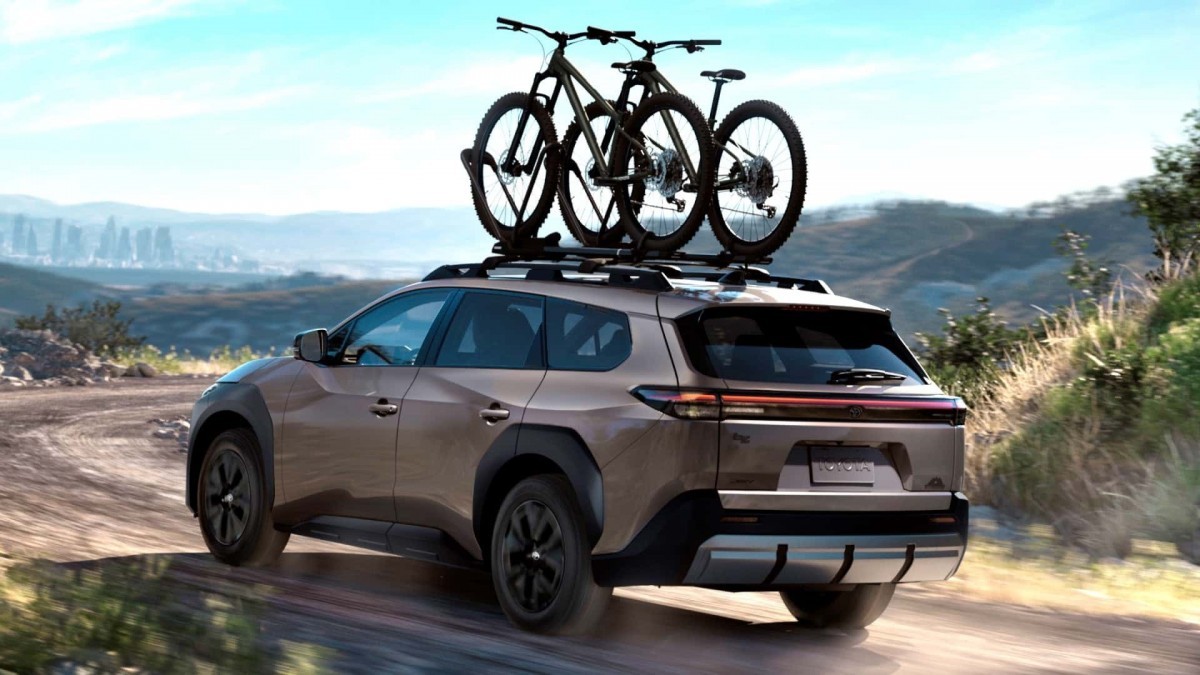
For those needing more space and capability, the Toyota electric cars lineup now includes the bZ Woodland. This model is essentially a stretched version of the bZ4X, extended by 152 mm to add 850 liters of cargo room. Built for adventure, it offers 211 mm of ground clearance, all-terrain tires, a roof rack, and a towing capacity of 1,588 kg. That said, its larger size reduces its range to an estimated 418 km. Like the C-HR, it features standard all-wheel drive and a 74.7 kWh battery.
Here’s where things get interesting: both vehicles were co-developed with Subaru. The C-HR’s twin is the Subaru Uncharted, while the bZ Woodland mirrors the Subaru Trailseeker. Surprisingly, the Subaru versions offer nearly identical specs—same battery, same powertrain, same platform—but at lower prices. For example, the Trailseeker matches the bZ Woodland’s 375 horsepower yet costs over €4,500 less. This gap makes shoppers wonder whether the Toyota badge justifies the premium.
Moreover, both Toyota electric cars support fast charging. Toyota says they can recharge from 10% to 80% in about 30 minutes using a DC fast charger—making road trips more practical. These features reflect Toyota’s effort to catch up in the EV race after years of focusing on hybrids.
For years, Toyota fans have asked for more all-electric options. Now, with a city-friendly SUV and a rugged outdoor wagon, the brand is clearly targeting different lifestyles. Still, the pricing strategy puts buyers in a tough spot. If performance and hardware are nearly the same, choosing between a Toyota and a Subaru may come down to brand loyalty—or smart budgeting.
In conclusion, the 2026 C-HR and bZ Woodland mark a real step forward for Toyota electric cars. They bring innovation, capability, and charging convenience to the table. Yet, savvy shoppers will likely compare them closely with their Subaru twins before deciding where the true value lies.
READ: 2026 Skoda Enyaq 85 Sportline Review: A Strong Contender in the EV Market