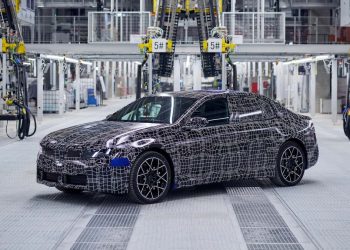
The 2026 BMW iX3 could be one of the most important luxury EVs of the decade. Combining 300 to 400 miles of range, cutting-edge architecture, and pricing starting under $60,000, it challenges Tesla, Hyundai, and Rivian with a competitive package. For buyers seeking premium design, advanced features, and affordability, BMW may have finally cracked the EV formula.
Pricing and Model Options
BMW surprised many with its aggressive pricing strategy. The iX3 50 xDrive launches in the U.S. in summer 2026 with a starting price under $60,000. This figure undercuts expectations, as many believed a high-tech EV like this would start closer to $80,000.
Even more compelling are the 2027 models: the iX3 40 sDrive (rear-wheel drive) and 40 xDrive (all-wheel drive). Both are expected to launch under $55,000 and deliver ranges just over 300 miles. This makes them far from compliance cars and firmly competitive in the mainstream EV market.
Technology and Architecture
The 2026 BMW iX3 is part of BMW’s Neue Klasse generation of EVs, built on a revolutionary zonal architecture. Instead of using miles of wiring, the platform relies on four central computing “superbrains.” This design cuts over 2,000 feet of wiring compared to previous BMW EVs, reducing weight, complexity, and costs.
The result is a platform that not only saves money but also allows for next-generation software updates, artificial intelligence features, and bidirectional charging. These features align BMW with rivals like Tesla and Rivian while positioning it ahead of many traditional competitors.
BMW also reports that the new batteries are 40–50% cheaper than those in current models, helping achieve profitability levels comparable to its gas-powered X3.
Range and Performance
The iX3 50 xDrive boasts close to 400 miles of range, putting it in direct competition with Tesla’s higher-end Model Y. Meanwhile, the upcoming 40-series models provide around 300 miles, which is widely seen as the sweet spot for modern EVs. At these ranges, drivers can confidently travel long distances without significant range anxiety.
Charging technology also impresses. The iX3 supports faster charging speeds and bidirectional charging, meaning the vehicle can return energy to the grid or power homes. This feature adds flexibility and long-term value.
Interior and Features
Inside, the 2026 BMW iX3 offers the premium design and craftsmanship expected from BMW. While pricing starts in the mid-$50,000 range, buyers can add luxury options and features, just as with BMW’s gas models. A premium interior, combined with advanced infotainment and connectivity, ensures the iX3 competes with both luxury EVs and high-end mainstream models.
Market Impact
The 2026 BMW iX3 comes at a pivotal moment. EV adoption is growing slower than predicted, and affordability remains a key barrier. By delivering advanced features and strong range at sub-$60,000 pricing, BMW positions the iX3 as a bridge to EV price parity with gas-powered cars.
This shift matters for both BMW and consumers. Lower production costs and competitive pricing could push EV adoption forward, while buyers benefit from premium performance without breaking the bank.
Conclusion
The 2026 BMW iX3 proves that luxury EVs no longer need to cost a fortune. With 300–400 miles of range, next-gen software, and starting prices under $60,000, it stands as one of the most compelling electric SUVs of its generation. As rivals like Tesla, Hyundai, and Audi push innovation, BMW’s iX3 delivers affordability without compromise.
If BMW executes as promised, the iX3 could be a turning point in making electric luxury accessible to more drivers.