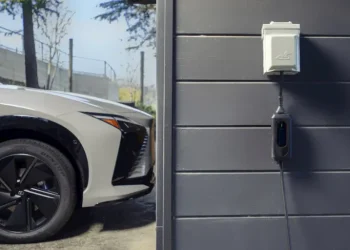
The 2025 Toyota Prius PHEV is widely considered one of the best plug-in hybrids on the market. With up to 44 miles of electric range, 220 horsepower, and impressive efficiency, it blends electric capability with hybrid reliability. But the key question remains: should buyers choose this plug-in model over the standard Prius?
What the Prius PHEV Offers
Toyota first launched a Prius Plug-In in 2012, offering just 11 miles of electric-only range. Over time, it evolved into the Prius Prime and gained significant improvements. The 2025 Toyota Prius PHEV represents the third generation of this idea, with far better performance, design, and usability.
Key specs include:
- Base Price: $34,445
- EV Range: Up to 44 miles
- Combined Fuel Economy: 52 mpg (battery depleted)
- Engine: 2.0-liter four-cylinder
- Output: 220 horsepower
- Battery: 13.6-kWh lithium-ion
- Drivetrain: Front-wheel drive
The PHEV accelerates from 0–60 mph in just 6.4 seconds and can achieve mid-50s mpg in real-world driving. The larger 161-hp electric motor provides instant low-speed torque, making it feel more responsive than earlier Prii.
Strengths of the Prius PHEV
The 2025 Toyota Prius PHEV delivers excellent value. For around $35,000, buyers get a modern, attractive hybrid with seating for five, a versatile hatchback design, and generous cargo space. Standard equipment includes Toyota’s full suite of safety features, while upgrades like a JBL stereo, cooled seats, and surround-view cameras are available.
Driving dynamics have also improved. The steering is sharper, handling is more engaging, and the transition between electric and gas power is seamless. In daily use, the Prius PHEV feels smooth, quiet, and practical, with no awkward hybrid quirks.
Cargo capacity, while slightly reduced to 20.3 cubic feet due to the larger battery, remains sufficient for most families. Fold-flat rear seats make it easy to haul long or bulky items.
Weaknesses and Trade-Offs
The 2025 Toyota Prius PHEV does have drawbacks. Ergonomics can feel awkward due to unusual dashboard angles and cluttered steering wheel controls. Visibility suffers from the sloping roofline, and Toyota’s driver-monitoring systems can feel intrusive.
The PHEV version also loses some advantages of the standard Prius. It sacrifices three cubic feet of cargo space, weighs an extra 364 pounds, and cannot be optioned with all-wheel drive. Its fuel economy drops to 52 mpg combined versus the regular Prius’s 57 mpg.
Perhaps most importantly, the PHEV introduces complexity. Drivers must manage charging, keep track of battery levels, and balance gasoline with electricity. While this setup offers more efficiency, it demands more involvement than the standard Prius.
Why the Regular Prius Still Wins for Most Buyers
The 2025 Toyota Prius PHEV is the right choice only for drivers in specific situations. Those who charge daily at home or work and take frequent road trips may find it ideal. For everyone else, the standard Prius remains the better option.
The conventional Prius offers seamless efficiency without extra costs or complexity. It is cheaper by about $5,000, delivers higher mpg, and offers more cargo space and all-wheel-drive availability. For most drivers, that simplicity outweighs the added flexibility of plug-in capability.
Conclusion
The 2025 Toyota Prius PHEV stands out as one of the best plug-in hybrids available. It combines electric range, efficiency, and value in a stylish, capable package. However, the regular Prius remains the smarter buy for most people, thanks to its lower price, higher mpg, and ease of use.
For buyers who want the best of both worlds, the PHEV is worth considering. But for most shoppers, the classic Prius formula still delivers the ideal balance of efficiency, practicality, and reliability.