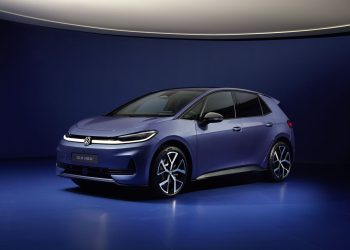
The Afeela 2026 SUV prototype appeared briefly at CES, marking the second vehicle from the Sony-Honda joint venture. Sales in the U.S. are expected to begin by 2028.
This new electric SUV closely resembles the Afeela 1 sedan. It features a smooth, minimalist shape with a sloping roofline. While this gives it a sporty look, it may reduce rear window size and visibility. Some viewers find the design clean; others call it too plain.
Notably, the Afeela 2026 SUV prototype targets American families. CEO Yasuhide Mizuno confirmed it offers more interior space than the sedan. However, he shared few other details during the Las Vegas reveal.
Inside, the cabin leans heavily into entertainment. A single screen spans the entire dashboard. Rear passengers also get their own displays. Most strikingly, the vehicle includes a built-in PlayStation 5. As a result, Sony aims to turn the car into a mobile media lounge.
Under the hood, the SUV likely uses the same powertrain as the sedan. Specifically, it has two electric motors for all-wheel drive. Together, they produce about 400 horsepower (298 kW). A 91 kWh battery delivers an estimated 480 km of range.
For charging, the vehicle uses Tesla’s NACS connector. It supports up to 150 kW fast charging. These specs are competitive, but not class-leading.
Safety and autonomy remain central to Afeela’s vision. The Afeela 2026 SUV prototype packs 40 sensors in total. These include 18 cameras, 12 ultrasonic sensors, nine radars, and one LiDAR unit. Altogether, they enable 360-degree awareness and support Level 3 self-driving.
However, this advanced tech comes at a cost. The Afeela 1 sedan already starts at $89,900. Its top trim reaches $102,900—offering rear screens and just three color choices. Therefore, the SUV will likely cost even more.
At that price, Afeela competes with Lucid and high-end EVs. It doesn’t lead in range or speed. Instead, it bets on entertainment and digital experience.
Ultimately, the Afeela 2026 SUV prototype reflects a bold strategy. Honda and Sony are blending automotive engineering with immersive tech. Whether U.S. buyers will pay six figures for a gaming-ready SUV remains uncertain.
READ: How the Tesla Cybertruck Led to a $2 Billion Loss for This South Korean Supplier