Hyundai saw impressive growth in U.S. electric-vehicle (EV) sales in 2025, driven by the success of the Ioniq 5 and the introduction of the new Ioniq 9. However, the end of the EV tax credits in the fourth quarter presented challenges, leading to a sharp drop in sales. As Hyundai faces a future without these incentives, the question remains: can it sustain its momentum in the EV market?
Hyundai EV Sales Record Despite Decline in Q4
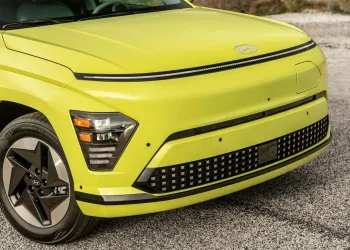
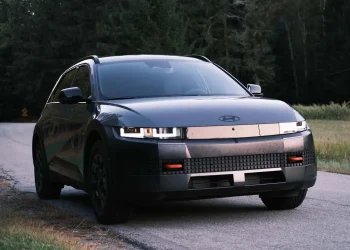
Hyundai’s 2025 U.S. EV sales set a new record, with the Ioniq 5 and the Ioniq 9 leading the charge. The Ioniq 5, one of the company’s best-selling models, moved 47,039 units, up from 44,400 in 2024. The Ioniq 9, a new addition to the lineup, sold 5,189 units. Hyundai also saw strong sales from its Kona Electric and hybrid models, contributing to an overall 7% increase in EV sales year-over-year.
However, the impact of the EV tax credit expiration was clear. Sales dropped 58% for the Ioniq 5 in Q4 compared to the same period in 2024, highlighting how much the credit had driven demand. To counter this, Hyundai has slashed prices on its electric lineup, particularly the Ioniq 5, making it one of the best value EVs in the market.
The Ioniq 6 Faces a Slump in Popularity
Despite strong performance from the Ioniq 5, Hyundai’s Ioniq 6 sedan continued to struggle. Sales of the Ioniq 6 fell to 10,478 units in 2025, down from 12,264 in 2024. Interest in sedans has been declining in the U.S., and Hyundai has yet to confirm whether the facelifted Ioniq 6 will be available in the country. However, Hyundai will offer the high-performance Ioniq 6 N in limited quantities.
Kia EV Sales Struggle, But Overall Sales Break Records
While Hyundai’s EV sales remained strong, its sibling company, Kia, had a tougher year in the EV market. The Kia EV6, a close relative of the Ioniq 5, saw sales drop by 40%, moving just 12,933 units in 2025. The EV9, Kia’s new three-row SUV, also experienced a decline, with sales falling to 15,051 units from 22,017 in 2024. Despite these setbacks in EV sales, Kia had its best-ever year of overall sales in the U.S., with a 7% increase. Kia’s strong-selling hybrids helped boost its electrified vehicle sales by 24%.
Hyundai and Kia: Adapting to a Changing EV Market
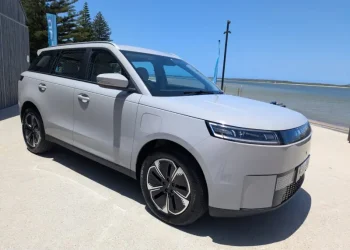
The expiration of the EV tax credits has forced Hyundai and Kia to rethink their strategy. Both companies had relied on the tax incentives to drive sales, and with those credits gone, they will need to adapt. Hyundai is considering introducing more affordable crossovers, like the upcoming Ioniq 3 and Kia EV3, to maintain interest in their electric lineup. These models will share technology with their larger counterparts but will be priced lower to appeal to a wider market. The Ioniq 3 is expected to debut later in 2026, while Kia has yet to confirm any release dates for the EV3 in the U.S.
The Road Ahead for Hyundai and Kia
As Hyundai and Kia navigate the post-tax credit landscape, their success will depend on their ability to continue innovating and meeting consumer demand for affordable EVs. While the companies have made significant strides in the U.S. EV market, the future remains uncertain. The upcoming releases of the Ioniq 3 and Kia EV3 may be key to their ability to maintain sales momentum and appeal to a broader audience in 2026.