The China EV market 2026 is entering a pivotal year marked by fierce competition, policy shifts, and bold international moves. Despite government efforts to curb destructive pricing, manufacturers have launched a new wave of discounts and cheap financing. This “involution”—a term Beijing uses to describe cutthroat competition—continues as brands fight for survival amid slowing growth.
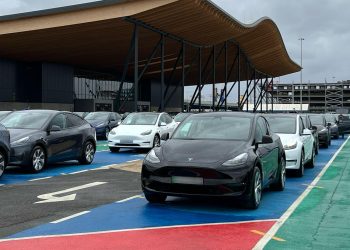
Tesla’s performance offers a stark contrast. Its China sales hit an all-time high in December 2025. Why? Buyers rushed to purchase before a partial tax incentive expired. As a result, showrooms saw a year-end surge even as the broader market cooled.
However, weak sales from other brands cloud the outlook. BYD and smaller rivals reported lackluster December numbers. This slump fuels fears of another price war in 2026—especially as Beijing adjusts its trade-in subsidy program. Speaking of which, the government renewed the subsidy earlier than expected. Officials clearly aim to stabilize the auto sector and prevent a deeper sales crisis.
Meanwhile, global ambitions are accelerating. UBS forecasts that Chinese carmakers will capture one-third of the global auto market by 2030. Even more striking, most of their profits will come from overseas. This shift highlights their confidence beyond domestic borders—despite rising trade barriers in Europe and the U.S.
Technology partnerships are also expanding. For example, Nvidia chose China’s Hesai, the world’s top lidar maker, for its Hyperion autonomous driving platform. This collaboration signals growing trust in Chinese sensor tech and supports Hesai’s push into Western markets.
In another bold move, Chinese robotaxi firms are targeting the Middle East. In Abu Dhabi, Uber users now see “autonomous” as a top ride option—powered by companies like WeRide. The region has become a springboard for global expansion, offering open regulatory environments and strong government support.
Altogether, the China EV market 2026 reflects a dual strategy: defend at home with subsidies and discounts, while aggressively export technology and vehicles abroad. Profit margins may shrink domestically, but overseas markets offer higher returns and long-term growth.
Still, risks remain. Overcapacity, trade tensions, and consumer fatigue could pressure even the strongest brands. Yet, China’s EV ecosystem—backed by batteries, software, and supply chain dominance—remains formidable.