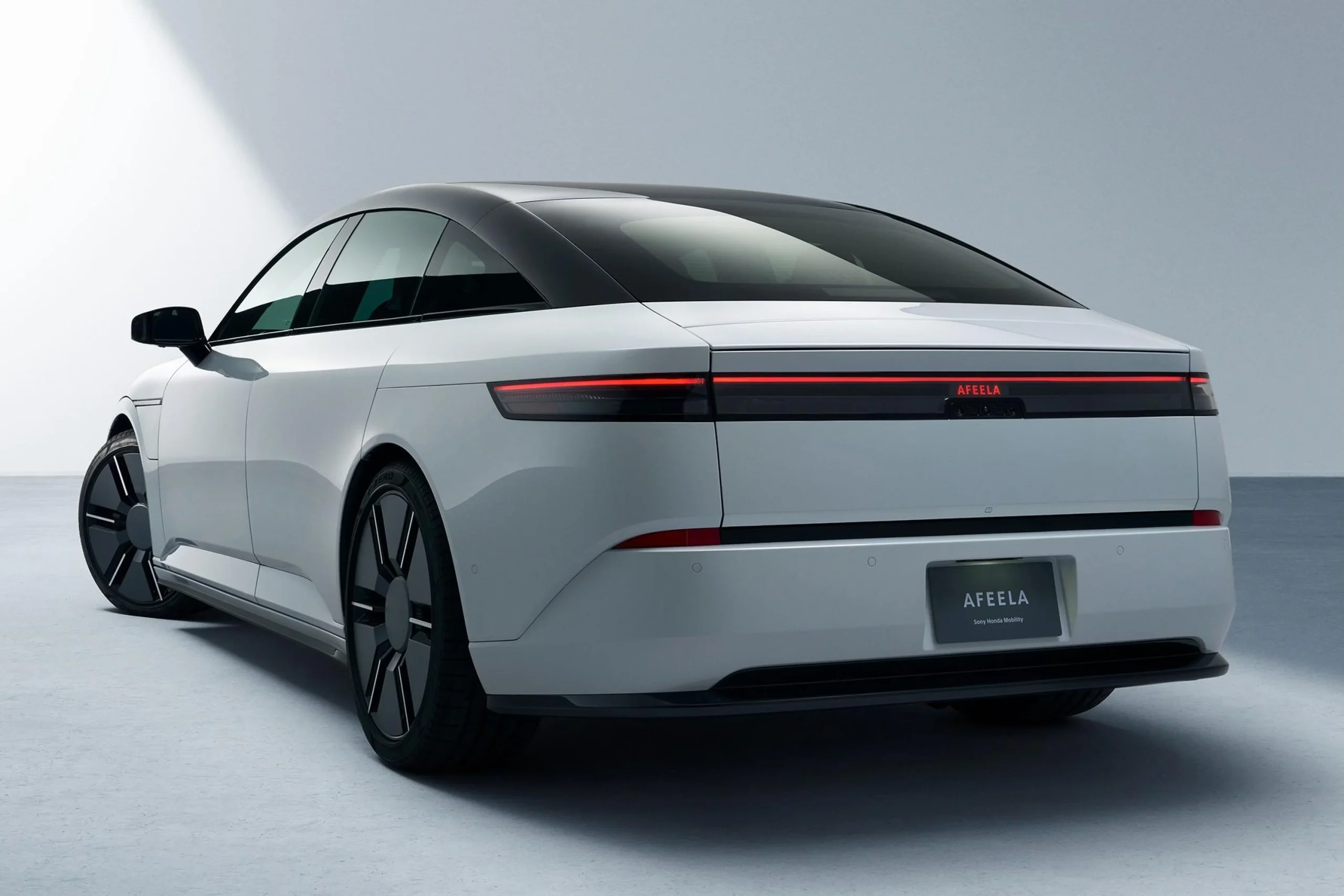
The AFEELA EV cancellation surprised automotive observers significantly. Consequently, Sony Honda Mobility halted development abruptly. Furthermore, the joint venture confirmed this strategic shift recently. Specifically, both the AFEELA 1 and a second model face termination. Moreover, Honda’s updated electrification roadmap triggered this decision. Therefore, critical technologies promised to the partnership became unavailable. Thus, market viability assessments changed dramatically.
Sony Honda Mobility launched in 2022 ambitiously. Consequently, the venture combined Honda’s engineering expertise with Sony’s software capabilities. Additionally, entertainment and sensor technologies received integration focus. Moreover, premium electric vehicles represented the core vision. However, that vision now ends prematurely. Specifically, the company confirmed discontinuation of both planned models. Furthermore, reservation holders in California receive full refunds promptly. Therefore, customer commitments remain honored despite project termination.
The AFEELA 1 generated considerable early interest naturally. Specifically, its starting price reached approximately $89,900. Moreover, California deliveries were planned for later this year. Additionally, a second model targeted 2028 launch timelines. Consequently, enthusiast communities followed development updates closely. However, those plans now disappear completely. Therefore, market anticipation shifts toward alternative premium EV options. Furthermore, competitor brands may benefit from this vacuum.
Honda’s strategic reassessment drives this outcome directly. Consequently, the automaker faces potential writedowns up to ¥2.5 trillion. Moreover, this adjustment could trigger its first annual loss in decades. Additionally, EV demand growth in Europe has slowed recently. Furthermore, U.S. policy support remains uncertain currently. Thus, competitive pressures from Tesla and Chinese brands intensify. Therefore, legacy automakers reconsider electrification investment timelines broadly.
Industry trends reflect broader challenges clearly. Consequently, Ford and Stellantis also adjusted EV strategies recently. Moreover, significant writedowns appear across traditional automaker portfolios. Additionally, new entrants face steep barriers to market entry. Therefore, even well-backed ventures encounter substantial obstacles. Specifically, building competitive EVs requires massive sustained investment. Furthermore, manufacturing expertise demands years of development. Thus, innovation alone cannot guarantee commercial success.
The AFEELA EV cancellation highlights market realities starkly. Consequently, premium positioning requires exceptional differentiation consistently. Moreover, software integration must deliver tangible user benefits. Additionally, charging infrastructure access influences purchase decisions significantly. Therefore, comprehensive ecosystem support becomes essential for adoption. Specifically, brand trust affects luxury segment choices profoundly. Furthermore, after-sales service networks require substantial upfront investment. Thus, go-to-market strategies demand meticulous planning.
Sony’s mobility expansion attempt reveals broader lessons. Consequently, electronics expertise does not automatically translate to automotive success. Moreover, supply chain complexities differ substantially between industries. Additionally, regulatory compliance requirements add significant development overhead. Therefore, cross-sector partnerships require careful alignment. Specifically, technology roadmaps must synchronize effectively. Furthermore, decision-making processes need clear governance structures. Thus, joint ventures face unique coordination challenges.
Customer communication remains a priority during transitions. Consequently, Sony Honda Mobility issues refunds promptly to reservation holders. Moreover, transparent explanations help maintain brand reputation. Additionally, future engagement opportunities may preserve customer relationships. Therefore, exit strategies require thoughtful execution. Specifically, clear timelines prevent prolonged uncertainty. Furthermore, alternative product recommendations could retain interest. Thus, customer-centric approaches mitigate disappointment effectively.
Financial implications appear manageable for parent companies. Consequently, Sony and Honda state no material impact expected. Moreover, diversified revenue streams buffer individual project setbacks. Additionally, strategic flexibility allows resource reallocation efficiently. Therefore, long-term mobility ambitions may continue in revised forms. Specifically, technology development could shift toward component supply. Furthermore, software platforms might license to other automakers. Thus, intellectual property retains value beyond vehicle production.
The AFEELA EV cancellation affects industry perceptions notably. Consequently, investor confidence in new EV ventures may soften. Moreover, partnership models receive increased scrutiny from analysts. Additionally, technology-focused entrants face higher proof-of-concept thresholds. Therefore, market entry strategies require stronger validation. Specifically, pilot programs could demonstrate viability before full commitment. Furthermore, phased rollouts reduce financial exposure risks. Thus, iterative development approaches gain appeal.
Regulatory environments influence strategic decisions significantly. Consequently, emissions standards drive electrification timelines globally. Moreover, subsidy programs affect consumer purchase calculations directly. Additionally, trade policies impact component sourcing strategies. Therefore, geopolitical considerations shape manufacturing footprints. Specifically, regional production requirements add complexity. Furthermore, compliance costs vary across markets substantially. Thus, global automakers balance standardization with localization carefully.
Technology evolution continues despite project termination. Consequently, sensor development and software platforms advance independently. Moreover, entertainment integration innovations persist across the industry. Additionally, user experience research informs future mobility concepts. Therefore, canceled projects still contribute to sector knowledge. Specifically, lessons learned improve subsequent development efforts. Furthermore, talent retention preserves institutional expertise. Thus, organizational learning creates lasting value.
Market dynamics favor established players currently. Consequently, scale advantages reduce per-unit production costs significantly. Moreover, brand recognition influences consumer consideration sets strongly. Additionally, dealership networks facilitate sales and service delivery. Therefore, new entrants must differentiate through unique value propositions. Specifically, niche positioning could enable initial market penetration. Furthermore, direct-to-consumer models bypass traditional channel constraints. Thus, innovative go-to-market strategies remain viable.
The AFEELA EV cancellation underscores execution challenges. Consequently, ambitious timelines often encounter unforeseen obstacles. Moreover, technology integration complexity exceeds initial estimates frequently. Additionally, supply chain disruptions delay development schedules regularly. Therefore, contingency planning becomes essential for complex projects. Specifically, modular architectures enable component substitution flexibility. Furthermore, supplier diversification reduces single-point failure risks. Thus, operational resilience supports strategic agility.
Future mobility concepts will evolve continuously. Consequently, consumer preferences shift with technology exposure. Moreover, sustainability expectations influence purchase criteria increasingly. Additionally, connectivity features become baseline requirements rapidly. Therefore, product development cycles must accelerate accordingly. Specifically, over-the-air updates enable post-launch improvements. Furthermore, data analytics inform iterative feature enhancements. Thus, software-defined vehicles transform traditional automotive paradigms.
Strategic partnerships remain valuable despite setbacks. Consequently, complementary capabilities create competitive advantages potentially. Moreover, shared development costs reduce individual financial exposure. Additionally, cross-industry insights spark innovative solutions. Therefore, collaboration frameworks require robust governance. Specifically, clear intellectual property agreements prevent disputes. Furthermore, aligned incentive structures motivate joint success. Thus, partnership design influences outcome probabilities significantly.
The automotive industry navigates profound transformation currently. Consequently, electrification, connectivity, and autonomy converge simultaneously. Moreover, consumer expectations evolve with digital experience exposure. Additionally, regulatory pressures accelerate technology adoption timelines. Therefore, adaptability becomes a core organizational competency. Specifically, agile development methodologies support rapid iteration. Furthermore, customer feedback loops inform product refinement. Thus, user-centric design drives sustainable differentiation.
AFEELA EV cancellation represents a pivotal industry moment. Consequently, stakeholders reassess electrification investment strategies broadly. Moreover, technology-focused entrants refine market entry approaches. Additionally, legacy automakers balance tradition with innovation carefully. Therefore, the path forward requires nuanced decision-making. Specifically, data-driven insights guide resource allocation. Furthermore, scenario planning prepares organizations for multiple futures. Thus, strategic foresight enables resilient growth.
Ultimately, mobility innovation persists despite individual setbacks. Consequently, consumer demand for sustainable transportation continues growing. Moreover, technological capabilities advance across the ecosystem. Additionally, policy frameworks evolve to support transition goals. Therefore, the industry’s long-term trajectory remains clear. Specifically, electrification represents an irreversible directional shift. Furthermore, competition drives continuous improvement cycles. Thus, the journey toward smarter, cleaner mobility advances steadily.