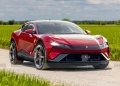
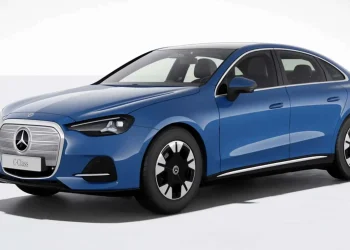
Electric cars are changing the automotive industry. Yet, the electric cars luxury badge remains elusive. Despite big strides from brands like Tesla, Porsche, and Lucid, many electric vehicles (EVs) still struggle to match the prestige of traditional luxury cars like Bentley or Rolls-Royce.
What’s holding them back? The answer lies in high costs, practical limitations, and cultural perceptions—all of which separate most EVs from being considered truly luxurious.
1. High Costs Without Luxury Craftsmanship
One reason electric cars haven’t earned the luxury badge is their price tag. In December 2023, the average new EV sold for over $61,000, compared to $25,000 for a new car a decade earlier. Models like the Tesla Model S Plaid and Lucid Air cost upwards of $75,000–$90,000.
But that high cost often goes toward battery technology, not handcrafted interiors or premium features.
Luxury cars are expected to deliver a sense of opulence—think plush leather, real wood trim, and personalized touches. Many EVs, however, prioritize tech and performance over craftsmanship. Tesla’s minimalist cabins, for example, lack the materials that traditional luxury buyers expect.
2. Practical Limitations Reduce the Luxury Feel
Luxury means convenience, but EVs still come with compromises. Range anxiety is a major concern. Even top models like the Tesla Model 3 offer about 272 miles of range, which drops in cold weather or with high-speed driving. Some studies show range can drop by up to 40% in winter.
Charging infrastructure also falls short. The U.S. has about 170,000 public charging stations, far less than the 2.8 million projected to be needed by 2032.
For luxury customers used to seamless travel, waiting 30–60 minutes to charge isn’t appealing. Add to that tight rear seating in models like the Audi e-tron GT, and you lose practicality for families—another hallmark of luxury cars.
3. Cultural Perceptions Still Lag Behind
Beyond features and performance, luxury is also about heritage and prestige. Traditional brands like Rolls-Royce, Mercedes-Benz, and Bentley have spent decades building elite reputations. In contrast, newer EV brands like Tesla and Rivian lack that legacy.
Even when legacy automakers create EVs, such as the BMW i4 or Audi Q4 e-tron, these models often look too much like their gas-powered counterparts. This can dilute their exclusivity.
And while EVs are often positioned as sustainable and futuristic, they haven’t yet replaced the image of luxury built on elegance, history, and exclusivity.
4. Signs of Change: Luxury EVs Making Strides
Some automakers are working to redefine the electric cars luxury badge. The Mercedes-Benz EQS, for example, delivers true S-Class luxury with a 350-mile range and a tech-rich interior. Rolls-Royce’s Spectre, its first all-electric model, maintains its signature serenity while meeting zero-emissions standards.
The Lucid Air boasts up to 520 miles of range and luxurious vegan interiors—appealing to eco-conscious elites. The BMW i7 combines a spacious, leather-rich cabin with a range exceeding 400 miles.
These EVs are beginning to close the gap, blending sustainability with the quality expected in premium vehicles.
5. So, Why Haven’t EVs Earned the Luxury Badge Yet?
Despite progress, most EVs still fall short in a few key areas:
- High prices driven by tech, not luxury.
- Limited range and charging frustrations.
- Missing craftsmanship and heritage.
- Practical gaps for families or business travelers.
However, as battery prices fall and luxury automakers fully embrace electrification, this gap is narrowing. Bentley plans to go all-electric by 2025, and EV sales made up 18% of global car sales in 2023.
The Badge Is Coming, Slowly
Electric cars are fast, futuristic, and environmentally friendly, but they’re not yet luxury by traditional standards. The electric cars luxury badge requires more than just performance—it demands heritage, comfort, and exclusivity.
Still, with changing customer values and stronger EV lineups, the luxury status of electric cars is within reach. The next decade could see EVs not just as clean and innovative—but as truly luxurious.
Other News:
Most EV Buyers Motivated by Savings, Not Climate Concerns, Survey Finds
Tesla Cybercab to Launch Public Rides in Austin