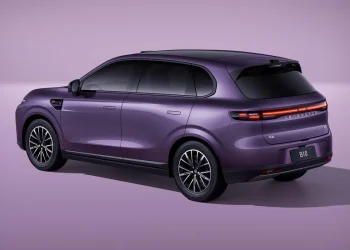
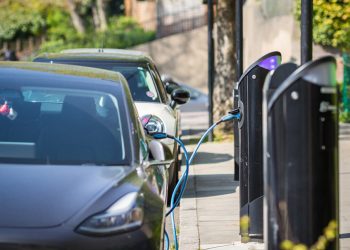
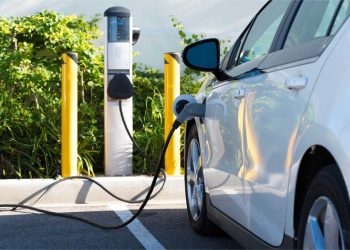
Uber EV adoption is accelerating at record speed. The ridesharing giant has now deployed over 230,000 electric vehicles globally, a major milestone in its plan to become a zero-emissions platform by 2040. Once held back by high sticker prices, EV adoption is now rising rapidly as battery costs drop, government incentives expand, and drivers realize the long-term savings of going electric.
EV Affordability No Longer the Biggest Hurdle
For years, the high upfront cost of electric vehicles was the top obstacle to adoption among Uber drivers. However, that is changing fast.
Thanks to declining battery prices and increased competition among automakers, EVs are becoming more affordable. Models like the Chevrolet Bolt, Hyundai Ioniq 5, and BYD Dolphin now offer impressive range at lower price points.
Additionally, many drivers benefit from EV purchase incentives, tax credits, and Uber’s own subsidies, such as discounted leasing through partnerships with automakers and rental programs.
“Cost was once the primary barrier, but now drivers are seeing real savings in fuel and maintenance,” said Andrew Macdonald, SVP of Mobility & Business Operations at Uber.
Drivers Reap Financial and Environmental Benefits
Uber EV adoption isn’t just about corporate responsibility—it’s also about economics. Drivers who switch to EVs can significantly reduce their operating costs:
- Fuel savings: Electricity costs are lower than gas in most markets.
- Lower maintenance: EVs have fewer moving parts and require less upkeep.
- Bonuses: Uber offers extra earnings for EV drivers in many regions.
As a result, many drivers say the switch has improved their income stability, especially as gas prices remain volatile.
A Global Shift Driven by Local Policies
Uber’s growing EV fleet reflects broader trends in urban transportation. Cities such as London, Los Angeles, and Paris are creating low-emission zones, requiring rideshare drivers to shift to zero-emissions vehicles. In response, Uber has rolled out localized programs to help drivers access EVs affordably.
In London, for example, Uber has invested over £135 million in a Clean Air Plan that subsidizes EV purchases. In the U.S., federal tax credits under the Inflation Reduction Act are making EVs more accessible to independent contractors.
Challenges Remain—but Progress Is Clear
Despite this progress, challenges still exist. Access to charging infrastructure—especially for urban drivers without home chargers—remains uneven. Uber is addressing this by partnering with charging networks like bp pulse and EVgo to increase station availability and offer discounted charging rates to drivers.
Uber has also announced it will fully electrify its U.S. and Canadian fleets by 2030, with the rest of the world following by 2040. Its goal: to help lead the industry in the shift toward clean mobility.
Uber’s EV Growth Sets a New Standard
In conclusion, Uber EV adoption hitting 230,000 vehicles signals a turning point—not just for Uber, but for the global rideshare industry. With the cost barrier fading, incentives rising, and public demand for sustainable transportation increasing, Uber’s progress may soon be the new normal.
As EV adoption becomes easier and more rewarding, rideshare platforms that lag behind may find themselves under pressure to catch up.
Other News:
Most EV Buyers Motivated by Savings, Not Climate Concerns, Survey Finds
Tesla Cybercab to Launch Public Rides in Austin