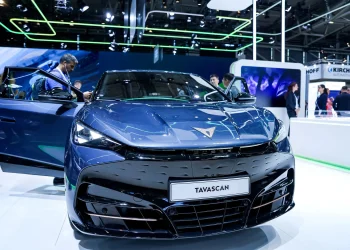
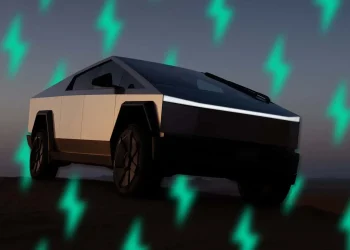
The new electric car grant offers drivers in the UK a substantial rebate—up to £3,750—when buying a brand-new EV priced under £37,000. Funded by the government’s £650 million Plan for Change, this subsidy makes going green more affordable for families and accelerates the transition to zero-emission vehicles.
How the Grant Works
You don’t need to apply separately—the discount is taken directly off the invoice at participating dealerships. Models that meet the highest environmental standards qualify for the full £3,750 grant. Vehicles that fall slightly short still receive £1,500.
Approval is open to brands meeting Science-Based Targets for emission reduction. Nearly 50 EV models already qualify, and several more are expected soon. Although Chinese-made models are assessed differently, they still receive the £1,500 second-tier reward. The programme runs until 2028–29 and could help reduce costs on thousands of EVs.
Savings That Go Beyond the Grant
The grant addresses the biggest hurdle: upfront cost. Once that’s lowered, here’s what you save annually:
- Fuel and running costs: up to £1,500 cheaper than petrol
- Tax and maintenance: lower costs than combustion engines
- Insurance, charging, and added incentives: further savings
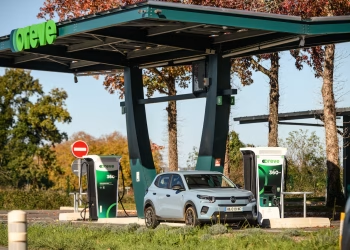
With two in five used EVs under £20K and 34 new models below £30K, the market keeps getting cheaper. Plus, public charging infrastructure—now over 82,000 points—continues expanding rapidly. New cross-pavement charging projects and EV-oriented investment promise even greater ease for city drivers.
Industry Reaction & Wider Support Measures
Auto industry leaders say now is the best time for a switch. Mike Hawes of SMMT claims that the grant could push EV market share from 25% today to 80% by 2030. RAC’s Simon Williams predicts dealerships will soon feature attractive deals on qualifying cars. Dan Caesar, CEO of Electric Vehicles UK, says this measure clears up cost misconceptions and drives adoption. AA President Edmund King highlights how the grant, combined with expanded charging and affordable fuel, provides a strong incentive for consumers.
The government’s package also includes £25 million for pavement charging trials, £30 million to convert business fleets, and £8 million to install chargers at over 200 NHS sites. Meanwhile, £1.6 billion is allocated to pothole repairs and a freeze on fuel duty—saving drivers £50–60 a year.
Taken together, these policies make EVs both practical and cost-effective. The government’s senior backing—along with industry excitement—signals a turning point for electric motoring.
For more on this shift, you can read how GM is scaling back EV plans at its Orion plant as it pivots toward ICE production via BizmartEV. Meanwhile, battery swap technology in China is drawing attention as an alternative charging method as discussed here. And for a deeper breakdown of the grant and how it applies to consumers, see Carwow’s latest guide on the EV grant benefits.