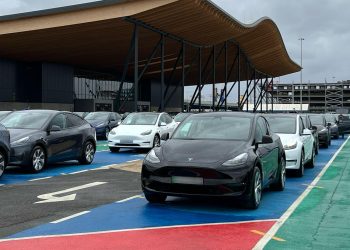
Norway is now within touching distance of its ambitious 2025 political goal: reaching 100% zero-emission vehicle sales. According to data from the first nine months of 2025, electric models accounted for a record-breaking 95% of total new car sales. By December 2025, that figure climbed even higher, reaching nearly 98% in individual monthly tallies. This performance sets a global ceiling never seen before in the automotive industry.
At the heart of this rapid shift lies a deliberate economic strategy. Norway uses a “polluter pays” system that makes combustion engine cars significantly more expensive. Specifically, these vehicles face extremely high import taxes. In contrast, electric models remain exempt from many of these duties. While Norway recently lowered its VAT exemption threshold to NOK 300,000 (roughly €25,500) starting January 2026, the financial gap between electric and fossil-fuel cars remains vast.
Practical perks also helped sweeten the deal during the early years of adoption. For a time, EV drivers enjoyed free highway tolls, discounted ferry fares, and access to bus lanes. Although the government has scaled back some benefits to manage the growing fleet, the momentum remains unstoppable. Cecilie Knibe Kroglund, State Secretary at the Ministry of Transport, describes this approach as using the “stick” against fossil fuels and the “carrot” for clean alternatives.
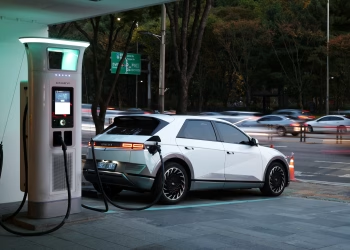
Norway’s success also relies on a robust and dense charging infrastructure. Even in harsh subzero temperatures, drivers feel confident in their range. Most vehicles sold in the country now feature advanced thermal management systems. These systems preheat the battery before charging to reduce energy loss in polar conditions. Furthermore, Norwegian motorists have adopted efficient habits, often recharging only the energy needed for their immediate journey to keep station turnover high.
Tesla currently dominates this market, accounting for nearly a third of all transactions in late 2025. The Model Y remains the undisputed leader, frequently outselling its nearest competitors by a factor of three. Interestingly, Norway does not have a domestic car manufacturing industry to protect. This lack of local lobbying has allowed the government to move faster than other European nations without fear of harming local industrial jobs.
In conclusion, Norway’s achievement shows what happens when political will and financial incentives align perfectly. The country has reshaped its automotive market in just a few years. For other nations, the message is clear: with the right mix of policy and infrastructure, even extreme climates cannot stop a determined transition to zero-emission mobility. As 2026 begins, Norway stands as the primary blueprint for a post-fossil-fuel world.
READ: EU and BMW Negotiate New Minimum Price Agreement for EVs