The China EV energy standard is set to become significantly tougher from January 1, 2026, as the country introduces the world’s first mandatory energy-consumption limits for electric passenger cars. The new regulation, issued under national standard GB 36980.1—2025, will apply to all newly produced battery-electric passenger vehicles and will impose binding efficiency thresholds based on vehicle weight.
By replacing earlier recommended guidelines, the China EV energy standard reflects how far the domestic electric vehicle market has advanced. Regulators say the updated framework takes into account current fleet efficiency, the potential of energy-saving technologies, and the need for manufacturers to upgrade vehicles without excessive cost pressure.
Compared with the previous version, the revised China EV energy standard lowers allowable consumption levels by around 11%. The limits are structured according to curb-weight categories, allowing fair comparison across different vehicle segments while maintaining a single national benchmark.
For electric vehicles weighing roughly two tons, the maximum permitted energy use will be capped at 15.1 kWh per 100 km. Engineers estimate that meeting this target, without increasing battery size, could raise real-world driving range by about 7%. Expected gains are linked to better electric-drive efficiency, lighter vehicle structures, improved thermal management, and enhanced aerodynamics.
The updated China EV energy standard has been directly tied to eligibility for new-energy-vehicle purchase tax incentives. Battery-electric models must comply with the relevant energy-consumption cap to qualify, while plug-in hybrids must meet criteria related to the proportion of driving powered by electricity.
This alignment is intended to ensure that fiscal incentives reinforce technical goals, pushing manufacturers to prioritise efficiency rather than relying solely on larger batteries or performance-focused designs.
China EV energy standard pushes automaker redesigns
From 2026 onward, automakers will need to ensure that all new vehicle designs comply with the stricter limits. Models that exceed the threshold will require updates to drivetrains, software, or structural components. Brands relying on heavier or older platforms may need to accelerate platform renewals or adopt more efficient drive units to stay competitive.
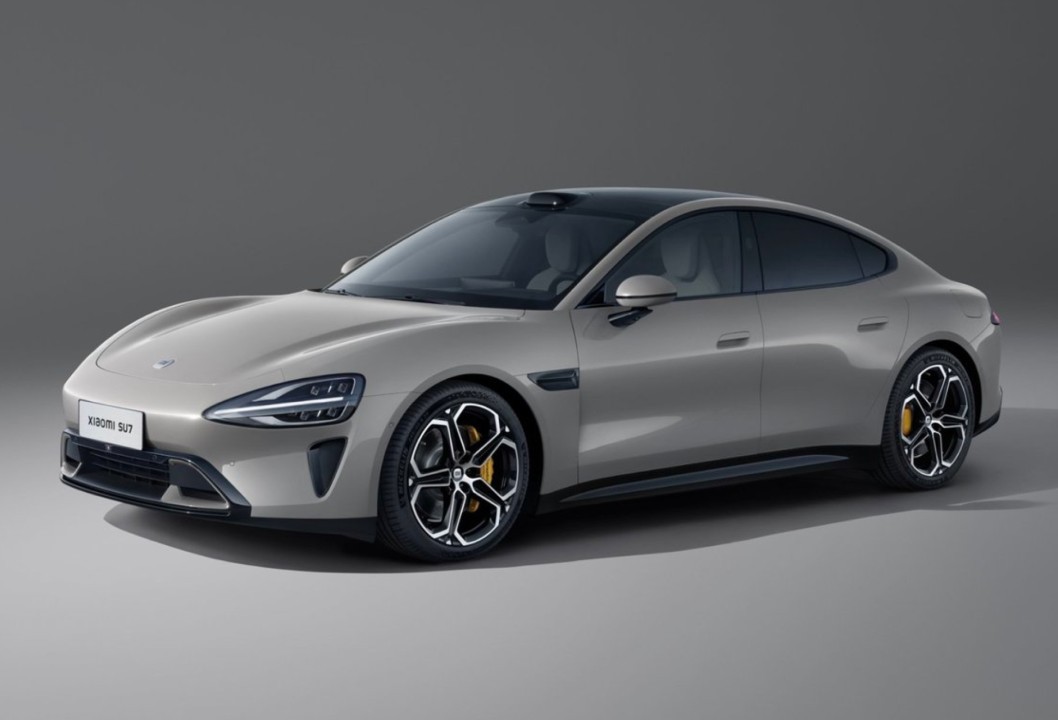
Market data suggests many current models already meet the upcoming requirements. For example, the Xiaomi SU7, with a curb weight close to 1,980 kg, reports energy consumption of 12.3 kWh per 100 km. The Luxeed R7 SUV, weighing about 2,180 kg, records 13.2 kWh per 100 km, comfortably below the new cap.
China EV energy standard signals a broader shift
The January 2026 rollout supports China’s wider goals on energy efficiency and carbon-emission reduction. It also follows earlier guidance encouraging faster publication of EV technical standards and a stronger focus on efficiency-driven innovation.
As the China EV energy standard reshapes design priorities, efficiency is likely to become a core competitive factor alongside cost and performance. The move raises an important question for the global EV industry: whether energy efficiency metrics will increasingly define the next generation of electric vehicles.