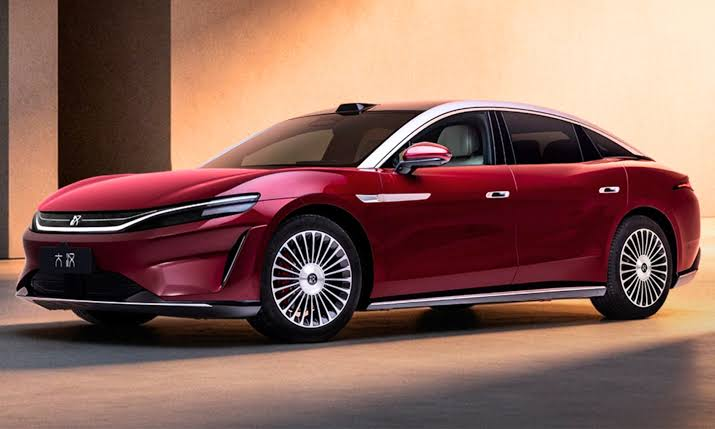
BYD sold 305,743 battery-electric passenger vehicles in October 2026, crossing the 300,000 threshold for the first time and recording its third consecutive monthly EV sales record.
The result represented approximately 37% growth compared with October 2025, highlighting an increasing shift towards fully electric models within the company’s passenger vehicle business.
Including plug-in hybrids and commercial vehicles, BYD’s total new-energy vehicle sales reached 490,168 units, up about 11% year over year and its highest monthly total of 2026.
Fully Electric Cars Account for Most Passenger Sales
Battery-electric vehicles drove October’s growth, while plug-in hybrid sales moved in the opposite direction.
BYD sold 177,382 plug-in hybrid passenger vehicles, approximately 17% fewer than a year earlier. Combined with battery-electric models, that brought passenger vehicle sales to 483,125 units.
Fully electric cars consequently accounted for approximately 63.3% of BYD’s passenger vehicle sales during the month.
| Sales category | October 2026 sales | Year-over-year change |
|---|---|---|
| Battery-electric passenger vehicles | 305,743 | Up approximately 37% |
| Plug-in hybrid passenger vehicles | 177,382 | Down approximately 17% |
| Total new-energy vehicles, including commercial vehicles | 490,168 | Up approximately 11% |
The distinction matters when comparing BYD’s results with other manufacturers. Its new-energy vehicle total includes plug-in hybrids, which combine an electric powertrain with a combustion engine. The 305,743-unit milestone refers specifically to fully electric passenger vehicles.
One Month Exceeds the US Market’s Quarterly EV Volume
The scale of BYD’s October performance becomes clearer when placed alongside recent US market figures.
Kelley Blue Book estimates cited in the report put US electric vehicle sales at 262,649 units for the entire third quarter of 2026.
BYD’s worldwide battery-electric passenger vehicle sales in October exceeded that figure by 43,094 vehicles, or approximately 16.4%.
The comparison involves different geographic markets and reporting periods: one manufacturer’s worldwide monthly sales against an entire country’s quarterly market. It illustrates BYD’s scale rather than providing a like-for-like measure of market share.
US third-quarter EV sales increased 6.1% from the second quarter but remained 39.5% below the same period in 2025. The year-earlier quarter benefited from buyers bringing purchases forward before the federal EV tax credit expired.
Overseas Sales Pass Earlier Annual Target
BYD reported 170,194 new-energy vehicle exports in October, adding to the growing contribution of international markets.
Its overseas passenger vehicle and pickup sales reached 1,507,395 units between January and October.
That means the company has exceeded the 1.5 million overseas sales target it announced in March, with November and December still remaining.
Monthly exports and cumulative overseas sales are reported under different descriptions, so they should not be treated as interchangeable measures. Nevertheless, both figures demonstrate the importance of BYD’s international operations to its sales performance.
Year-to-Date Growth Remains Uneven
October’s record did not fully reverse the pressure on BYD’s broader annual results.
Battery-electric passenger vehicle sales reached 1,935,700 units during the first ten months of 2026, an increase of 5.86% from the corresponding period a year earlier.
However, total new-energy vehicle sales stood at 3,621,744 units, down 2.16% year over year.
The contrasting figures show how weaker plug-in hybrid demand has offset growth in fully electric vehicles. BYD is selling more battery-electric cars, but that increase has not yet been sufficient to lift its overall ten-month total above the previous year.
Strong October Sets Up the Final Two Months
BYD enters the closing months of 2026 with record battery-electric sales, its strongest monthly new-energy vehicle total of the year and overseas sales above an earlier annual target.
The remaining question is whether that momentum can outweigh the accumulated decline in plug-in hybrids.
November and December will determine whether the company’s improving monthly performance translates into full-year growth across its entire new-energy vehicle business.
Read Also: Zeekr X Privilege AWD: Compact EV with Big Performance