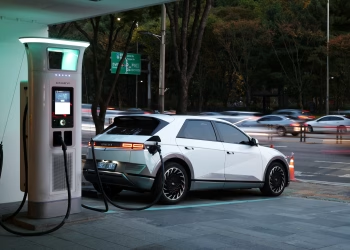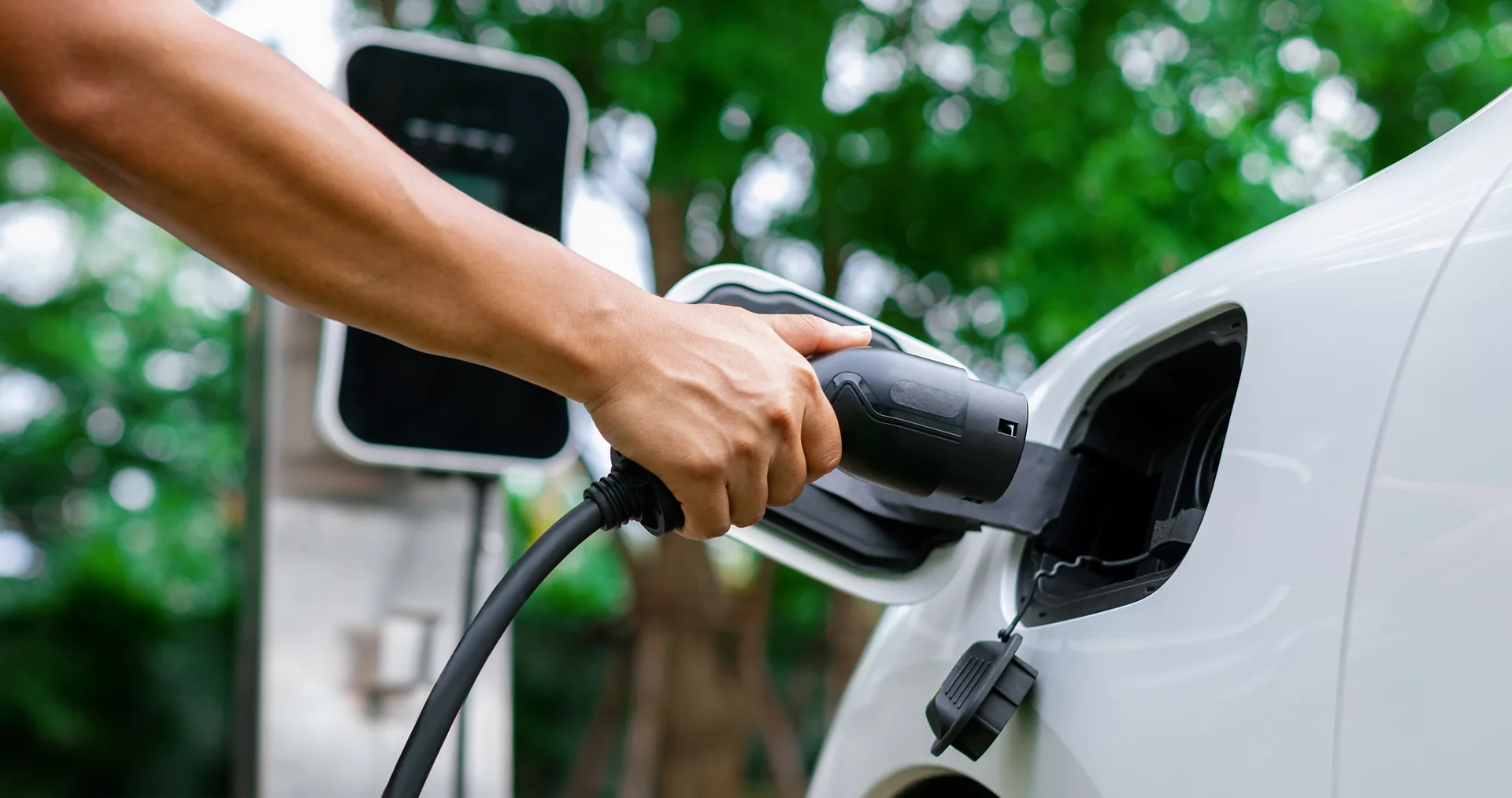
On June 7, 2025, Believ, a UK EV charge point operator, secured a £300 million investment to install over 30,000 new electric vehicle chargers. This move, backed by Liberty Global, Zouk Capital, and major banks, aims to bolster the UK’s transition to electric vehicles (EVs). With 81,000 chargers currently nationwide, per Zapmap, the government targets 300,000 by 2030. Here’s how this impacts drivers.
The Investment Breakdown
The funding will expand on-street chargers for drivers without off-street parking, rapid/ultra-rapid hubs, and rural locations, ensuring inclusivity. Guy Bartlett, Believ’s CEO, said it signals private sector confidence in EVs, per GB News. The government’s recent removal of planning permission requirements for chargers, announced by Lilian Greenwood, cuts costs by £1,100 per installation and speeds rollout.
Government and Industry Synergy
Labour’s £2.3 billion EV investment, including £381M for local authorities via the LEVI fund, complements Believ’s efforts. Greenwood called the funding a “vote of confidence” in Labour’s plan to support British carmakers and reduce costs for drivers. Jonathan Pearson of Liberty Global emphasized public-private partnerships, leveraging Virgin Media O2 for delivery.
Why It Matters
With 1,344 chargers added last month, the UK is on track to hit 100,000 in 2025. London leads with 24,200 chargers, dwarfing Scotland, Wales, and Northern Ireland combined, per Zapmap. X posts, like highlight driver enthusiasm, though 20% of rural respondents in a 2025https://www.youtube.com/watch?v=MgdgAMBKRms AutoTrader survey cite charger scarcity as an EV barrier. Believ’s rollout could boost adoption, especially in underserved areas.