Volvo sales plummet for the fifth straight month, confirming a troubling pattern. In July 2025, the company delivered only 49,273 vehicles worldwide—a 14% year-over-year decline and its lowest monthly output this year.
The downward trend follows a disastrous second quarter. Volvo reported a $1 billion operating loss, adding pressure on executives and raising concerns about long-term stability.
So what triggered this decline after a record-setting 2024? Primarily, a mix of poor strategic decisions and tariff-related setbacks. For years, Volvo manufactured the S60 sedan at its Ridgeville, South Carolina plant—despite shrinking global demand for sedans and rising interest in SUVs.
Volvo failed to prioritize consumer trends early enough. While buyers flocked to crossovers, the automaker kept producing low-demand sedans. This mismatch contributed heavily to plant overcapacity and stagnant growth.
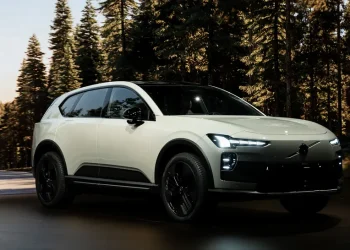
The company later introduced the $80,000 EX90 electric SUV at the same U.S. facility, hoping to correct course. However, software issues and steep pricing made it a difficult sell. Instead of solving production problems, the EX90’s launch added more complexity and public frustration.
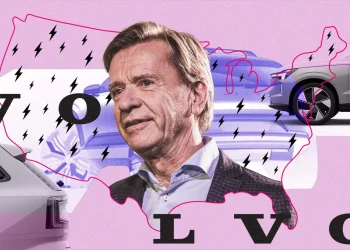
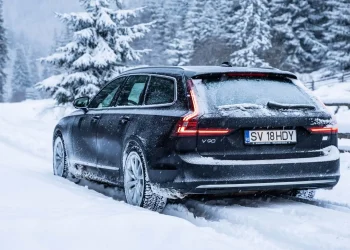
Earlier this year, CEO Hakan Samuelsson shifted production plans. He announced that Volvo would start building its best-selling XC60 crossover at Ridgeville. The move aligned product with demand, but many questioned why it took so long. Volvo’s delayed response allowed competitors to dominate crucial markets.
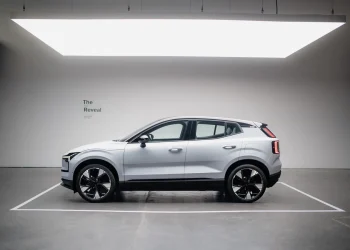
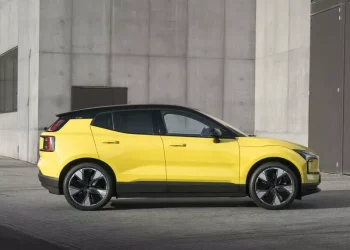
Tariffs also played a significant role in the downturn. The EX30 EV initially performed well in Europe, selling over 70,000 units last year. Thanks to its affordable pricing and design, it ranked as the third-best-selling EV in Europe in 2024.
However, the EX30 came from China. New tariffs in the U.S. and EU inflated its price, especially in America, where the MSRP spiked to $46,195. This eliminated its value advantage and slashed its overseas sales momentum.
In response, Volvo moved EX30 production to Belgium earlier this year. From there, it plans to export more affordable units to the U.S. and reduce wait times for European customers. While late, this decision marks a step in the right direction.
Samuelsson, who helped develop the company’s SPA platform, acknowledged the tough conditions. Still, he remains optimistic. “Demand remains under pressure from the macroeconomic environment, tariff-related uncertainties and tougher competition,” he said. “However, our turnaround actions are starting to show results.”
The recovery plan includes 3,000 job cuts, focusing production on high-demand models, and expanding hybrid and EV availability. After walking back its all-electric by 2030 pledge, Volvo now targets 90%-100% electrified sales by the end of the decade.
If current efforts succeed, Volvo expects a stronger performance in 2026. Manufacturing the XC60 in South Carolina could offer a major boost, especially in the North American market.
Nevertheless, Volvo sales continue to plummet for now. Sluggish responses, poor product placement, and economic headwinds have eroded its lead. Rebuilding momentum will take time, precision, and a firm grip on evolving market demands.