The 2027 Acura RSX represents a turning point for Acura’s electric strategy after the short and disappointing life of the ZDX. Acura designed the RSX entirely in-house, distancing itself from the General Motors partnership that defined its first electric effort. With the Acura RSX, the brand aims to regain credibility in the premium EV space and prove it can compete on its own terms.
Acura launched the ZDX as its first mass-produced electric vehicle, but the model struggled almost immediately. Built on GM’s Ultium platform, the ZDX shared its foundations with the Chevrolet Blazer EV and Honda Prologue. Sales remained weak, with fewer than 20,000 units sold across 2024 and 2025 in the United States. When the federal EV tax credit expired and the GM Honda EV partnership stalled, Acura chose to end production.
Rather than retreat from electrification, Acura shifted direction. The company invested in a new electric platform developed by Honda engineers. That effort produced the Acura RSX, a crossover meant to fix the pricing, packaging, and identity problems that hurt the ZDX. Acura plans to launch the RSX as the first of a new generation of electric vehicles built entirely under Honda’s control.
Acura RSX and the Honda 0 Series Platform
The Acura RSX rides on Honda’s new 0 Series platform, a dedicated electric architecture developed from the ground up. Honda designed this platform to reduce weight, improve efficiency, and simplify manufacturing. It will also underpin two Honda-branded models, the 0 Series SUV and 0 Series Saloon.
Acura secured priority access to the platform. The RSX will reach the market before either Honda model. All three vehicles will roll off the production line at Honda’s new EV hub in Ohio. This makes the Acura RSX one of the first electric Acuras built in the United States.
Honda relies on lightweight materials, mega casting techniques, and structural battery packs to improve energy efficiency. These design choices aim to deliver longer driving range and lower energy consumption than previous Honda Group EVs. Acura expects the RSX to benefit directly from these advances.
Acura RSX Design and Aerodynamic Focus
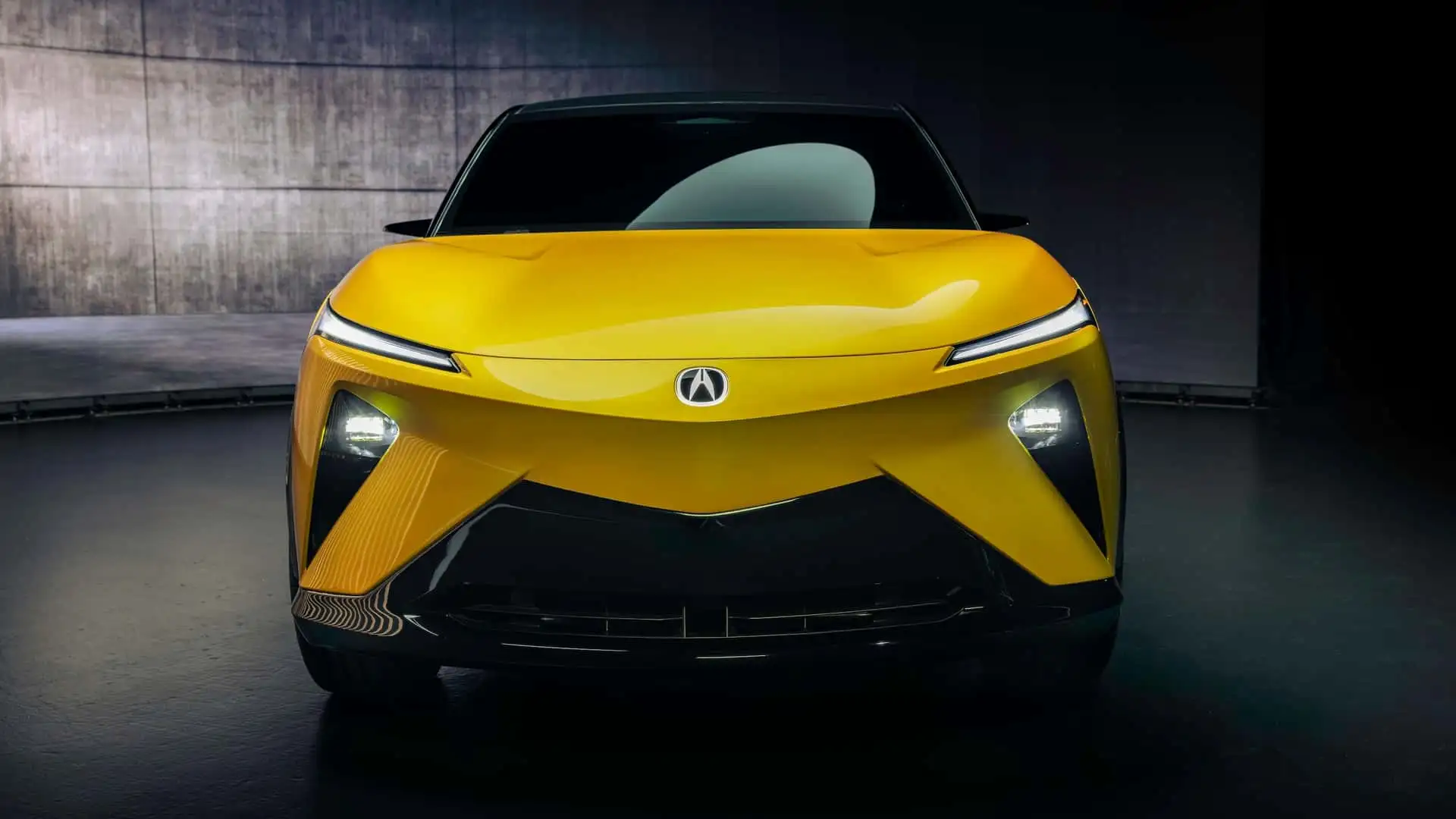
Acura has released only limited images of the RSX, but the overall design direction is clear. The Acura RSX adopts a sleek crossover shape with coupe-like proportions. Muscular body lines and a sloping roofline place it closer to the Tesla Model Y and Ford Mustang Mach-E than the outgoing ZDX.
Engineers placed strong emphasis on aerodynamics. Acura shaped the RSX to reduce drag and extend range. While the company has not released official figures, it confirmed extensive wind tunnel testing and underbody airflow optimization.
The exterior design also signals a new visual identity for Acura’s electric lineup. Expect a closed front fascia, slim lighting elements, and a sport-oriented stance. Acura wants the RSX to look modern without sacrificing practicality.
Interior Technology and Acura RSX Software
The Acura RSX will debut Honda’s new Asimo OS infotainment system. Honda named the software after its famous humanoid robot, signaling the importance of artificial intelligence in the cabin experience. Acura plans to center many vehicle functions around this system.
Asimo OS supports true over-the-air updates, allowing Acura to improve features after purchase. The system will use AI to adapt settings based on driver behavior. Acura expects this approach to deliver a more intuitive user experience over time.
Acura has not revealed interior photos yet. However, the RSX should feature multiple large displays, including a digital instrument cluster and a wide central touchscreen. Acura also aims to improve material quality compared to the ZDX, reinforcing its premium positioning.
Read Also
Electrified Work Trucks
SC01 Electric Vehicle
Acura RSX Performance and Driving Hardware
Acura confirmed that the RSX will come standard with dual-motor all-wheel drive. This setup supports both performance and stability in varying road conditions. Acura wants the RSX to feel engaging, not just efficient.
Honda disclosed that its latest electric drive unit produces up to 241 horsepower. If Acura uses two of these motors, total system output could approach 480 horsepower. In practice, combined output may be lower due to power management limits.
Driving hardware supports this performance focus. Acura plans to equip the RSX with Brembo front brakes and a double-wishbone front suspension. These components suggest sharper handling and improved braking compared to many competitors in the segment.
The RSX will also support vehicle-to-load capability. Owners will be able to power tools or appliances directly from the battery. Acura will fit a native NACS charging port at the factory, ensuring access to Tesla’s Supercharger network from launch.
Range, Charging, and Battery Expectations
Honda designed the 0 Series platform to support 800-volt battery systems. This architecture enables faster charging and reduced heat generation at high power levels. However, Acura has not confirmed whether early RSX models will use 800-volt hardware.
If the RSX launches with a 400-volt system, charging speeds may trail some rivals initially. Honda has hinted that higher-voltage systems could arrive later as costs decline. Battery capacity and EPA range figures remain unannounced.
Despite these unknowns, Acura expects the RSX to deliver competitive real-world range. Its size and aerodynamic profile place it squarely against the Tesla Model Y and Mustang Mach-E. Efficiency remains a core development goal.
Acura RSX Market Position and Rivals
The Acura RSX targets a crowded premium EV segment. Key rivals include the Tesla Model Y, Ford Mustang Mach-E, Cadillac Optiq, Kia EV6, Hyundai Ioniq 5, and the upcoming Volvo EX60.
Compared to the ZDX, the RSX should be smaller and more affordable. Acura hopes this repositioning will improve sales and broaden its appeal. Buyers in this segment increasingly demand strong value alongside performance and technology.
Availability and Expected Pricing
Honda will begin producing the Acura RSX in Ohio later this year. Sales should start in the second half of 2026. Acura originally planned an earlier launch, but it delayed the rollout to refine its EV strategy.
Acura has not announced pricing yet. The ZDX started at roughly $66,000, which many buyers viewed as too high. Acura aims to price the RSX below that level. A lower entry price would align better with competitors and consumer expectations.
The Acura RSX represents a critical test for Acura’s electric future. With a new platform, domestic production, and a stronger performance focus, Acura now has little room for error. Success will determine how seriously buyers take the brand’s second attempt at electrification.