India EV policy is paving the way for global automakers to invest in local electric vehicle production, offering incentives to drive economic growth and sustainability. This initiative strengthens India’s position in the Asian EV market. This article examines the policy’s features and impact.
India EV Policy: Incentive Framework
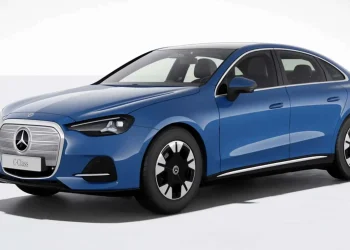
The India EV policy provides tax breaks, land subsidies, and reduced import duties for automakers establishing EV manufacturing plants. Companies like Mercedes-Benz, Hyundai, and Skoda-Volkswagen have shown interest, planning to produce affordable EVs for India’s growing middle class. The policy aims to increase EV sales, currently under 3% of passenger vehicles, to 30% by the decade’s end.
Boosting Local Manufacturing
By requiring local sourcing of components, the India EV policy fosters a domestic supply chain, reducing reliance on imports. This creates opportunities for small businesses and enhances India’s self-reliance in EV technology. The policy also supports battery production, addressing a critical barrier to EV affordability and scalability.
Economic and Environmental Benefits
The policy stimulates job creation in manufacturing and R&D, attracting foreign investment. Increased EV adoption cuts urban pollution, improving public health. However, India’s limited charging infrastructure and high battery costs challenge widespread adoption, requiring government and private sector collaboration to build robust networks.
Challenges in Policy Implementation
The Indian EV policy faces obstacles, including bureaucratic delays and inconsistent state-level regulations. Convincing global automakers to commit long-term investments demands stable policies. India addresses these by streamlining approvals and offering tailored incentives, though scaling infrastructure remains a priority.
Future of India’s EV Ambitions
India plans to expand the India EV policy with urban charging hubs and R&D grants. Partnerships with Asian EV leaders could accelerate progress.
In conclusion, Indian EV policy attracts global automakers, driving local EV production. Strategic execution will position India as an EV manufacturing hub.
Other News:
Amazon to Test Humanoid Robots for Package Delivery
Snapchat’s New Apple Watch App Lets You Snap Back on the Go!