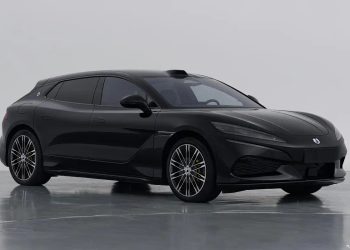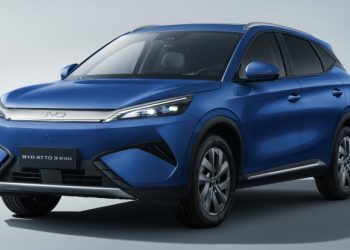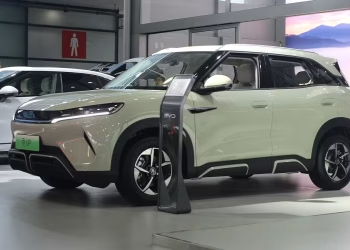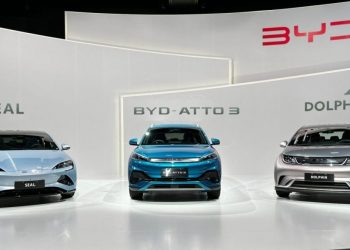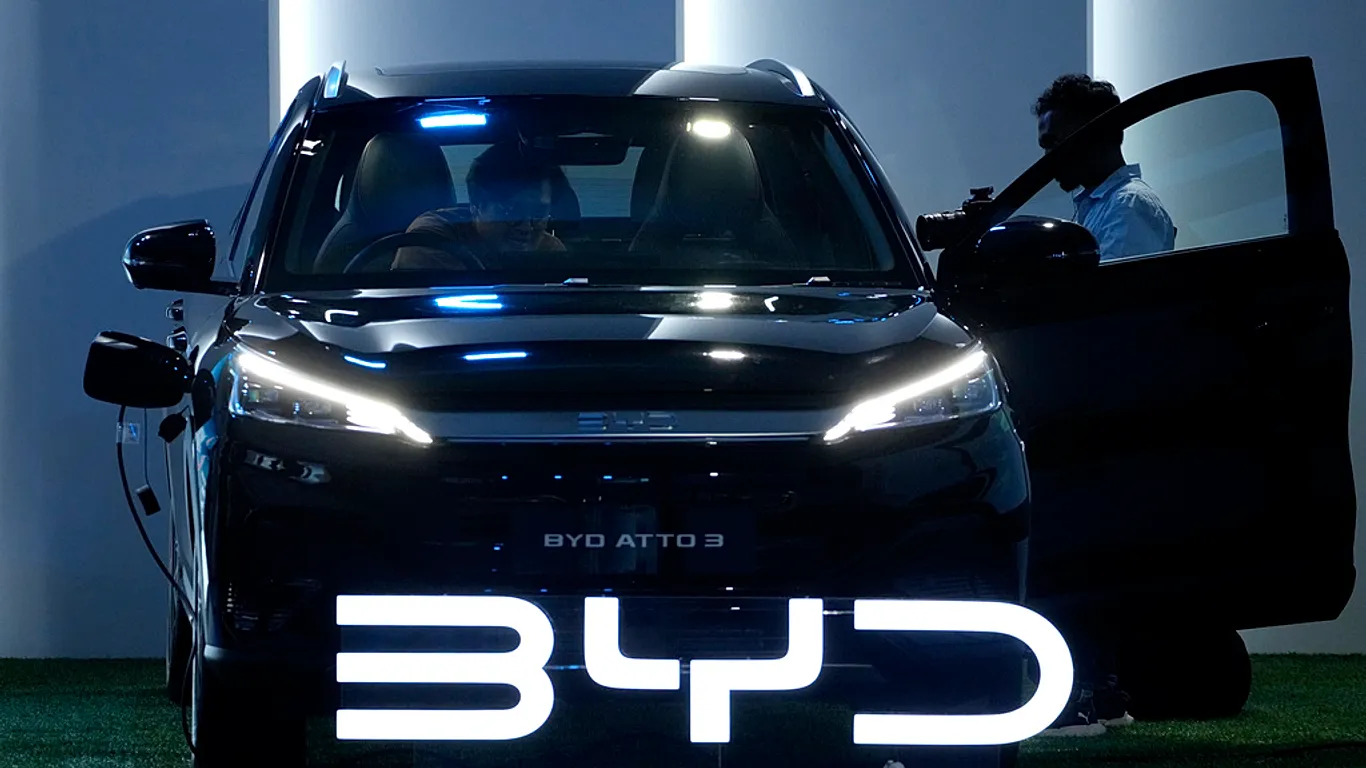
In a dramatic shift in the electric vehicle (EV) landscape, Chinese automaker BYD has officially surpassed Tesla in global sales, positioning itself as a dominant force in the electric car market. The surge in BYD’s sales, coupled with its strategic pricing and broadening model range, has made it a formidable competitor to Tesla, especially in Europe where it has rapidly gained market share. This shift marks a new chapter in the ongoing EV race, as BYD continues to challenge Tesla’s longstanding dominance in both traditional and emerging markets.
BYD’s Impressive Growth and Market Share
BYD, or Build Your Dream, has made significant strides in the electric vehicle market, consistently outperforming Tesla in terms of overall sales. In 2024, BYD sold about 1.7 million battery electric vehicles (BEVs), a number that climbed to an estimated 2.25 million in 2025. The company’s total deliveries, including both BEVs and plug-in hybrids, reached approximately 4.6 million vehicles in 2025. This rapid growth is a result of BYD’s expansive product lineup, which includes everything from affordable city cars to premium electric sedans, large SUVs, and even electric buses and commercial vehicles.
In contrast, Tesla, despite its strong brand and innovation in the EV space, reported significantly lower sales figures. In the third quarter of 2025, Tesla sold around 480,000 Model 3 and Model Y units, while the fourth quarter saw a further dip to approximately 400,000 units. Tesla’s global sales for 2026 are projected to total around 1.6 million vehicles, a decrease from 1.79 million in 2024. This decline highlights the growing challenges Tesla faces in maintaining its market share, particularly as competition from Chinese automakers intensifies.
The Pricing Advantage: Why BYD is Winning Over European Consumers
BYD’s ability to capture market share, particularly in Europe, has been driven by its competitive pricing strategy. While Tesla vehicles are widely recognized for their performance and innovative features, they come with premium price tags. A standard Tesla Model 3 starts at around €41,000, making it out of reach for many price-sensitive consumers. On the other hand, BYD’s entry-level models, such as the BYD Dolphin, are priced starting at approximately €35,500, with more affordable versions like the Dolphin Surf available from as low as €22,990.
BYD’s pricing advantage is further evident with larger vehicles like the BYD Seal, which is priced between €42,700 and €48,200—often lower than comparable Tesla models. This pricing strategy has allowed BYD to cater to a broader audience in Europe, including budget-conscious consumers who are looking for affordable yet high-quality electric vehicles. The availability of these competitively priced models has helped BYD attract European buyers who may have previously overlooked Chinese automakers due to concerns about quality.
Overcoming Initial Skepticism in Europe
When Chinese EVs first entered European markets, many consumers were skeptical about their quality and reliability, associating them with lower standards and limited brand recognition. However, BYD has worked diligently to overcome these barriers by expanding its product range and dealership network across the continent. By late 2022, BYD had gained significant traction, particularly in key European markets like Germany, France, and the UK.
The shift in consumer sentiment became evident in May 2025, when BYD outpaced Tesla in terms of new BEV registrations in Europe. With 7,231 electric vehicles registered, BYD edged out Tesla’s 7,165 registrations, marking a historic milestone for the Chinese automaker. This was a clear signal that BYD had successfully broken through the initial barriers and was now a serious contender in the European EV market.
The Impact of EU Tariffs on Chinese EVs
Despite facing additional challenges such as tariffs, BYD has continued to offer competitive prices. In response to an anti-subsidy investigation, the European Union imposed an extra 17% tariff on Chinese-made EVs, including those from BYD. This tariff was on top of the standard 10% import tax, raising the cost of Chinese EVs in Europe. However, even with these tariffs in place, BYD has managed to maintain its competitive edge by keeping its prices lower than those of its rivals.
For instance, the price of the BYD Dolphin remains significantly lower than that of the Tesla Model 3, making it an attractive option for European consumers looking for affordable electric vehicles. The BYD Seal, which offers a premium driving experience at a competitive price, also sits at a price point that often undercuts Tesla’s equivalent models. This pricing strategy allows BYD to attract a wide range of buyers, from those seeking budget-friendly options to those looking for high-end electric sedans.
Tesla’s Struggles: Musk’s Political Influence and Its Impact on Sales
While BYD has experienced growth and success, Tesla’s sales performance has been somewhat lackluster in recent years. Part of the reason for this decline has been attributed to the increasing influence of Tesla’s CEO, Elon Musk, in political and social debates. Musk has used his platform to promote controversial views, particularly in areas like immigration and diversity, and has publicly supported political figures and causes that have alienated some potential customers.
A study by Yale University in 2025 revealed that Tesla’s sales could have been as much as 83% higher if it weren’t for Musk’s political involvement. The study found that Musk’s political stance likely deterred a significant portion of Tesla’s potential customer base, particularly in markets where political opinions were strongly divided. The report concluded that Musk’s actions had not only hurt Tesla’s sales but also boosted the sales of competing electric vehicles, including those from BYD and other automakers.
The Future of the EV Race: Will BYD Maintain Its Lead?
As the global electric vehicle market continues to evolve, the competition between Tesla and BYD is expected to intensify. While Tesla remains a powerful brand with a loyal following, its struggles with production and pricing, combined with Musk’s political influence, have created opportunities for other automakers like BYD to capitalize on growing demand for affordable and high-quality electric vehicles.
BYD’s rapid expansion into European markets and its ability to deliver competitively priced vehicles have positioned the company as a serious contender in the EV space. With plans to further expand its product lineup and continue driving down prices, BYD is well-placed to challenge Tesla’s dominance in the global EV market.
As the world moves towards a more sustainable future, BYD’s rise serves as a reminder of the shifting dynamics in the automotive industry. Whether Tesla can reclaim its position as the leader in the electric vehicle market remains to be seen, but for now, BYD appears to be firmly in the driver’s seat.