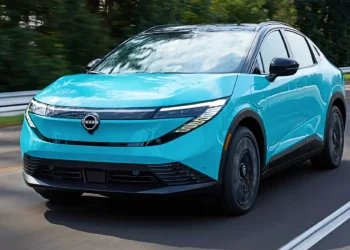
Nissan has adjusted its strategy for the near term, shifting focus towards the development of plug-in hybrid electric vehicles (PHEVs) and extended-range electric vehicles (EREVs), after encountering slower-than-expected demand for fully electric vehicles (EVs). This shift in direction is a key part of the automaker’s ongoing restructuring efforts under the leadership of CEO Ivan Espinosa, as the company adapts to evolving market conditions and consumer preferences.
This change in strategy highlights the challenges faced by major automakers like Nissan, which had originally set ambitious goals for their electric vehicle rollouts. While the global automotive industry continues to transition towards electrification, the pace of consumer adoption of fully electric models has not been as swift as anticipated, prompting companies to recalibrate their focus. For Nissan, the immediate shift toward PHEVs and EREVs represents a pragmatic response to these market dynamics.
Nissan’s New Electrification Strategy
Nissan’s commitment to electrifying its vehicle lineup is not waning, but the company is now placing more emphasis on powertrains that provide a blend of electric and traditional internal combustion engine (ICE) technologies. This approach is designed to bridge the gap between full EVs and conventional gasoline-powered cars, offering consumers more flexibility and fewer concerns about range anxiety.
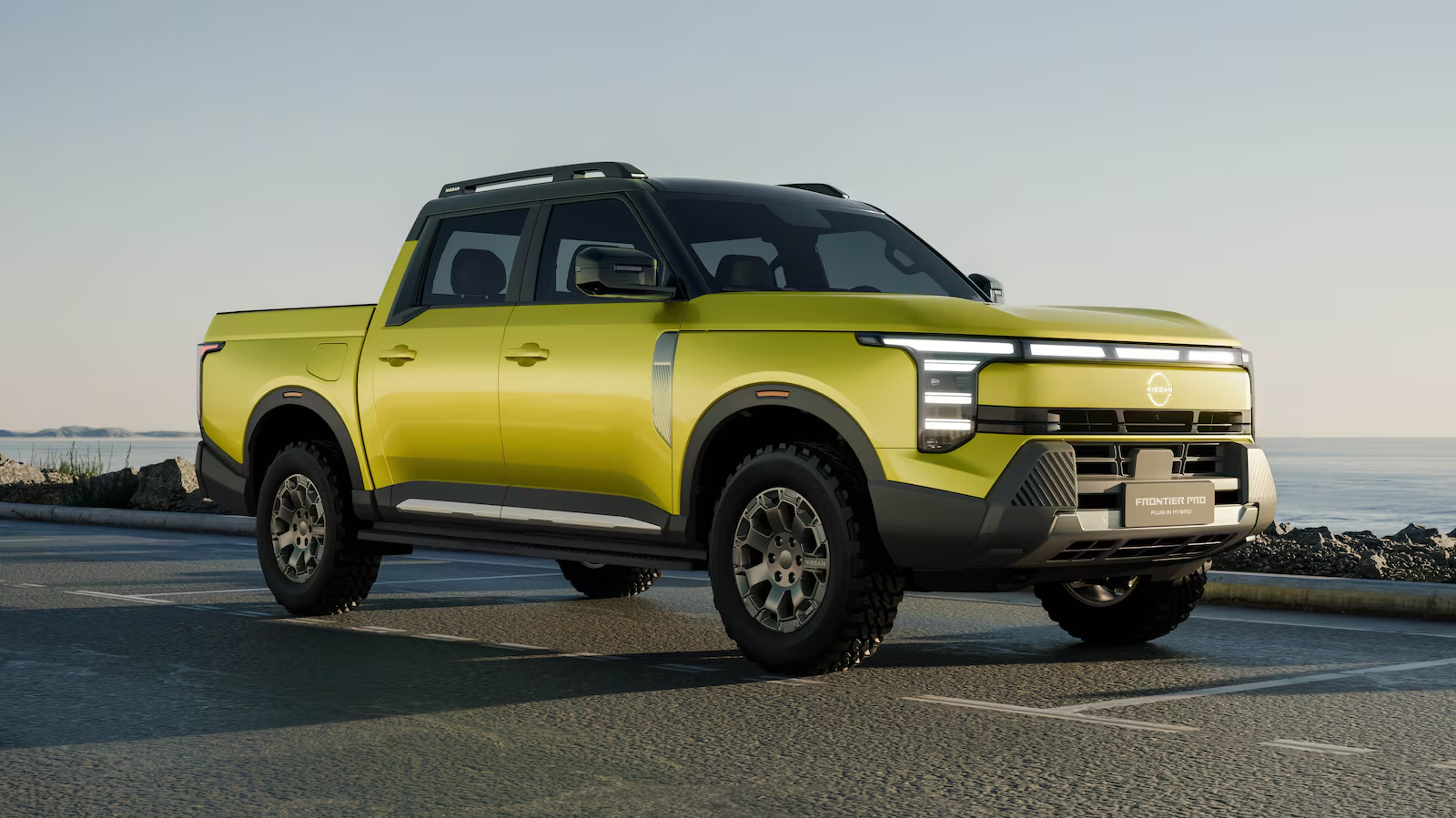
A key part of this shift involves the company’s upcoming Nissan Frontier Pro, a plug-in hybrid electric vehicle (PHEV) that was unveiled at the 2025 Shanghai Auto Show. Set to go on sale in China later in the year, the Frontier Pro marks a significant step forward for Nissan as it enters the electrified pickup market. The vehicle is expected to combine the rugged features of a traditional pickup with the fuel efficiency and reduced emissions offered by hybrid technology.
Expanding Reach with PHEVs and EREVs
Nissan’s shift toward PHEVs and EREVs is not just about expanding its product lineup but also about ensuring that its vehicles meet the varied needs of consumers around the world. While fully electric vehicles are seen as the future, many consumers are still hesitant to make the switch, primarily due to concerns about charging infrastructure, long-distance travel, and vehicle cost. PHEVs and EREVs address some of these concerns by offering a combination of electric power with the backup support of a gasoline engine, giving drivers the peace of mind that they will not be stranded due to battery depletion.
The Frontier Pro, for example, will offer both electric-only and hybrid driving modes, making it a versatile option for customers looking to make the transition to more sustainable transportation without fully committing to an all-electric vehicle. The flexibility of PHEVs allows for longer driving ranges and greater convenience, making them an appealing option in markets where charging infrastructure is still developing or where consumers are more accustomed to traditional fuel-powered vehicles.
In addition to the Frontier Pro, Nissan is also exploring extended-range electric vehicles (EREVs). EREVs differ from traditional hybrids in that they are powered primarily by electricity, with a small gasoline engine that functions as a range extender to charge the battery when it depletes. This setup allows for electric driving in urban environments, where the gasoline engine is rarely needed, while also providing the ability to drive longer distances without worrying about finding a charging station.
Addressing Market Demand
The decision to prioritize PHEVs and EREVs comes after a period of reevaluating the demand for fully electric vehicles. Although global markets are increasingly leaning toward electrification, the growth of the fully electric vehicle segment has not been as rapid as many had forecast. This slower-than-expected adoption is partly due to challenges like the higher initial cost of EVs, concerns over the availability of charging infrastructure, and limited driving range for certain models.
Nissan’s restructuring efforts have therefore focused on ensuring that the company can remain competitive in an evolving automotive market. By expanding its offerings to include PHEVs and EREVs, the company can cater to consumers who are not yet ready to fully embrace electric vehicles but are still interested in reducing their carbon footprint. These hybrid and extended-range vehicles offer a practical alternative for drivers who need flexibility and are not yet convinced that fully electric vehicles meet all their needs.
Potential for Expansion into Europe
Nissan’s decision to introduce the Frontier Pro PHEV first in China underscores the growing importance of the Chinese market in the global automotive landscape. China is the world’s largest market for electric vehicles, and Nissan has long viewed the country as a critical hub for its electrification strategy. However, the company is also considering the possibility of exporting the Frontier Pro to Europe, where demand for electric vehicles is growing, but where consumers have a broader interest in hybrid and plug-in hybrid technologies.
The European market presents unique challenges and opportunities for Nissan. Many European countries have set ambitious goals for transitioning to electric vehicles, and while full EV adoption is gaining momentum, there remains a strong interest in hybrid solutions. Nissan’s Frontier Pro could appeal to European consumers who need a larger vehicle, such as a pickup, but also want the efficiency and eco-friendly benefits of a hybrid powertrain.
Competitive Landscape and Industry Trends
Nissan’s pivot toward PHEVs and EREVs comes as the automotive industry as a whole adjusts to the rapid shift toward electrification. Competitors such as Toyota, Volkswagen, and General Motors are also investing heavily in hybrid technologies, with many of them introducing new models that combine electric and gasoline powertrains. As traditional automakers vie for market share in the growing electric and hybrid segments, it is becoming increasingly clear that the future of transportation will likely include a mix of fully electric and hybrid solutions.
Nissan’s decision to focus on PHEVs and EREVs is a reflection of broader trends in the automotive industry. Many experts believe that hybrid powertrains will remain an essential part of the transportation landscape for the foreseeable future, as they provide a practical solution to the challenges associated with fully electric vehicles, such as range anxiety and charging infrastructure.
Future of Nissan’s Electrification Efforts
As Nissan continues to refine its electrification strategy, it is clear that the company is committed to providing a diverse range of vehicles that meet the needs of a broad audience. While fully electric vehicles remain a key part of its long-term vision, the shift to PHEVs and EREVs demonstrates the company’s commitment to offering practical, flexible, and sustainable solutions for today’s market.
The introduction of the Frontier Pro and the exploration of extended-range electric vehicles are just the beginning of Nissan’s efforts to expand its footprint in the electric and hybrid vehicle market. As consumer preferences evolve and charging infrastructure improves, Nissan is likely to continue refining its approach to electrification, ensuring that it remains at the forefront of the automotive industry’s transformation.